Most Read
All top stories →
Celebrity
All Celebrity → Celebrity
J.Lo Says She ‘Shoulda Done It Sooner’ — and She Quietly Covered Her Ben Affleck Tattoo Too
-
Candace Cameron Bure Is Becoming a Grandmother Twice — Son Lev and Wife Elliott Are Expecting Weeks After Daughter Natasha’s Pregnancy News
-
Rumer Willis Accuses Ex of ‘Incessant Domestic Violence’ in Custody Battle Over 3-Year-Old — and Demi Moore Filed a Court Declaration Too
-
Mel C Says Mel B Had the ‘Best Success Rate’ With Men During Spice Girls Fame — and Gave the Best Dating Advice Too
Movies
All Movies →
TV
All TV → TV
TV
‘Half Man’ Ends With a Devastating Twist — and Baby Reindeer Creator Richard Gadd Says It Could Only Have Gone One Way
-
‘Hacks’ Ends After 5 Seasons With a Finale That Was Planned From the Beginning — Here’s How It All Wrapped Up
-
CBS Says the Late Show Was Losing $40 Million a Year — Now Byron Allen’s Time Buy Will Turn a $15M Profit
-
X-Men ’97 Season 2 Trailer Confirms Deadpool — and a July 1 Premiere Date on Disney+
Music
All Music →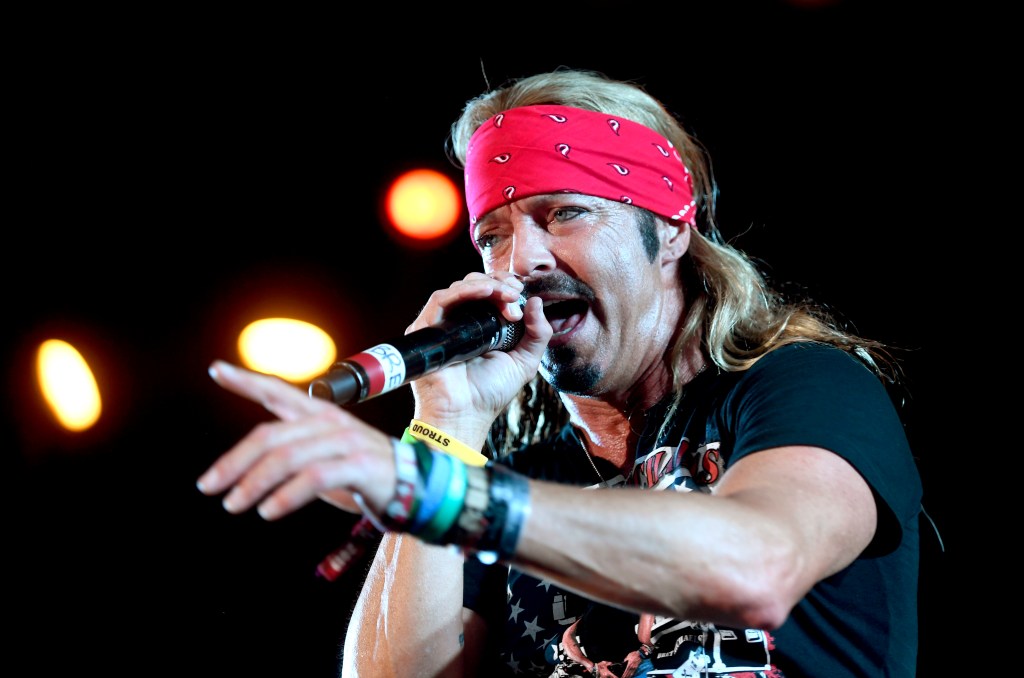 Music
Music
Bret Michaels Exits Freedom 250 Over ‘Threats and Safety Concerns’ — Now 5 of 9 Acts Have Pulled Out
-
Ariana Grande Launches the ‘Petal’ Era With New Single ‘Hate That I Made You Love Me’ — Here’s What the Lyrics Mean
-
Martina McBride Is the Fourth Artist to Drop Out of Trump-Backed Freedom 250 Concerts: ‘Turned Out to Be Misleading’
-
Scooter Braun Says the Taylor Swift Feud Made Him a ‘Villain’ Overnight — ‘I Think I’ve Met Her Three Times in My Life’