
Nazi-Looted Painting Found in Dutch SS Family’s Home
A family member exposed the secret: a painting stolen from Jewish art dealer Jacques Goudstikker has been sitting in a Dutch SS commander’s family home for decades.
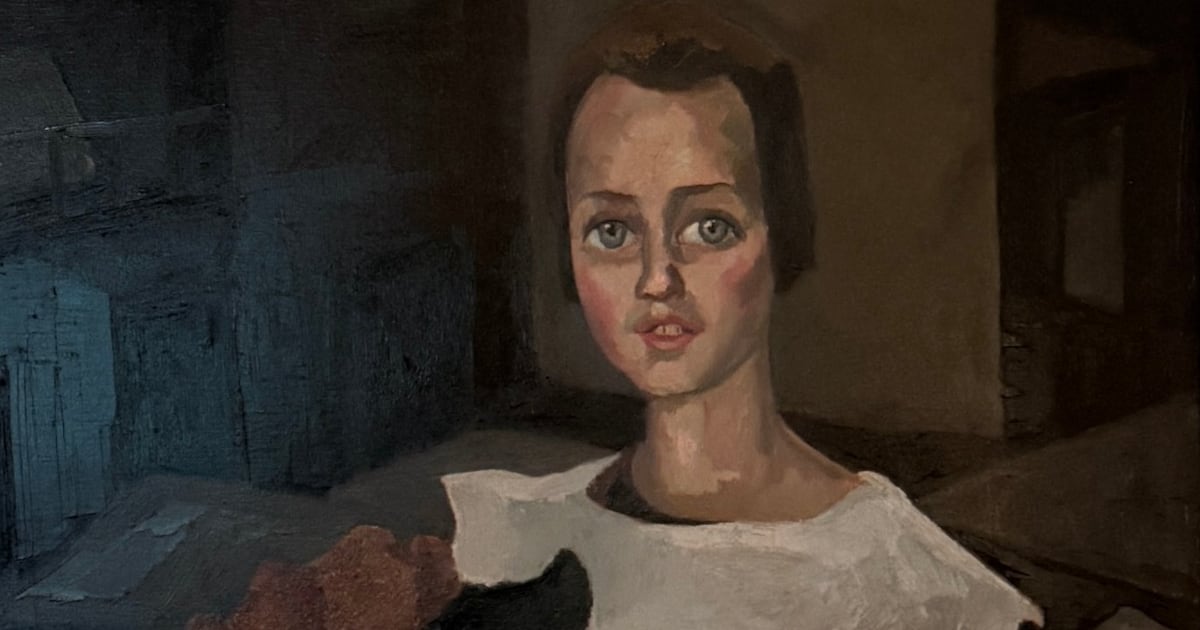
- Portrait of a Young Girl by Dutch artist Toon Kelder was identified in the home of descendants of Dutch Waffen-SS commander Hendrik Seyffardt.
- The painting was originally looted from Jewish art dealer Jacques Goudstikker, who died fleeing the Nazi invasion of the Netherlands in 1940.
- A Seyffardt descendant — described as “disgusted” — exposed the secret by contacting art detective Arthur Brand.
- Seyffardt’s granddaughter allegedly knew the work was looted art and warned family members to keep quiet about it.
- Police cannot legally force the painting’s return because the theft has passed the statute of limitations.
For decades, a small portrait hung quietly in a Dutch family home — unremarkable to anyone who didn’t know what it had survived, or who it had been stolen from. Now, Portrait of a Young Girl, a painting by Dutch artist Toon Kelder that was looted by the Nazis during World War II, has been found inside the home of descendants of one of the Netherlands’ most notorious SS collaborators. And the person who blew the secret open was one of their own.
Art detective Arthur Brand — the man often called the Indiana Jones of the art world — confirmed the discovery after being approached by a man who identified himself as a descendant of Hendrik Seyffardt, a top Dutch Waffen-SS commander who was assassinated by resistance fighters in 1943. The relative told Brand he was “disgusted” to learn his family had been holding onto the artwork for years. He told Dutch newspaper De Telegraaf: “I feel ashamed. The painting should be returned to the heirs of Goudstikker.”
Jacques Goudstikker was one of the most prominent Jewish art dealers in the Netherlands before the war. When the Nazis invaded in 1940, he fled — and died during that escape, leaving behind a collection of more than 1,000 paintings. Hermann Göring, Hitler’s second-in-command, seized the collection. The Portrait of a Young Girl was among the works that vanished into the machinery of Nazi looting and never made it back.
The Secret the Family Kept
What makes this case particularly striking isn’t just the painting’s recovery — it’s what Brand learned about what the family already knew. According to Brand, Seyffardt’s granddaughter had allegedly acknowledged to relatives that the work was “Jewish looted art” and issued a warning: “It is unsellable. Don’t tell anyone.”
Someone finally did.
Brand was able to confirm the painting’s identity through a 1940 Nazi-era auction catalog. The key clues were a Goudstikker label and the number “92” carved into the frame — details that connected the work directly to Goudstikker’s pre-war collection.
The legal situation, however, is complicated. Police cannot compel the family to return the painting because the statute of limitations on the original theft has expired. What happens next depends largely on whether the family chooses to do the right thing — and whether the Goudstikker heirs pursue civil avenues to reclaim what was taken from them nearly 90 years ago.
A Reckoning Still in Progress Across Europe
The discovery lands at a moment when Europe is actively wrestling with how to confront the unfinished business of Nazi-era looting. The Musée d’Orsay in Paris recently opened a new permanent gallery titled “À qui appartiennent ces œuvres? / Who Do These Works Belong To?” — a space dedicated entirely to artworks recovered after the war that have never been successfully returned to their rightful owners.
The gallery draws from France’s national MNR collection (Musées Nationaux Récupération), works that have been sitting in state custody for decades while provenance research continues. The CIVS, France’s national restitution commission, evaluates claims involving looted cultural property and recommends returns when ownership can be established. The Orsay initiative goes a step further — putting these unresolved cases physically in front of the public, not buried in archives or courtrooms.
The U.S. Holocaust Memorial Museum describes the Nazi looting program as a coordinated effort to strip Jewish communities of cultural identity while redistributing art through state and black-market channels. Historians estimate tens of thousands of works remain unaccounted for or unreturned.
The Goudstikker case has a long history in that reckoning. Some works from his collection were returned to his heirs in 2006 after a years-long legal battle — but many others were never recovered. Portrait of a Young Girl is one more piece of that puzzle, finally surfaced not by investigators or legal proceedings, but by a family member who couldn’t live with the silence anymore.
“I feel ashamed,” he said. “The painting should be returned.”
Filed in

Comments
0