
Why Peter Jackson Let Andy Serkis Direct Hunt for Gollum
Peter Jackson explains why Andy Serkis is directing The Hunt for Gollum — and why the AI debate means Serkis may never get Oscar credit for the role.
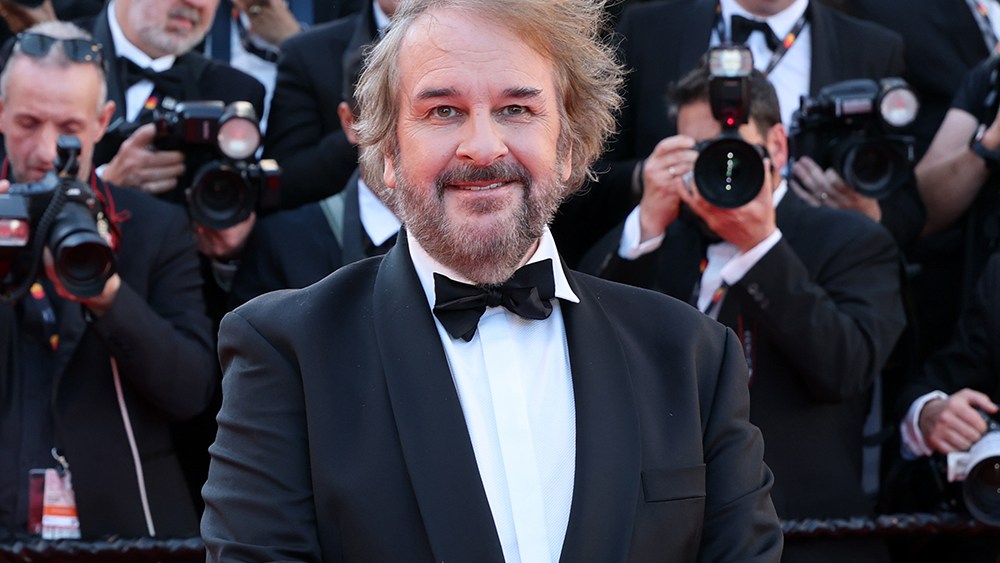
- Peter Jackson explained at Cannes why Andy Serkis — not him — is directing The Hunt for Gollum
- Jackson says the film is about “Gollum’s psychology and addiction” and Serkis knows the character better than anyone
- Jackson also argued that AI fears in Hollywood are unfairly hurting Serkis’s chances of ever winning awards for the role
- Ian McKellen, Elijah Wood, and Lee Pace are returning; Jamie Dornan replaces Viggo Mortensen as Aragorn
- The Hunt for Gollum is set for December 17, 2027
Peter Jackson had a simple answer when asked why he wasn’t stepping behind the camera for Lord of the Rings: The Hunt for Gollum. “I could have directed it,” he said at his Cannes Film Festival masterclass this week, “but I thought, I’ve done that.”
The three-time Oscar winner — who picked up an honorary Palme d’Or at the festival’s opening ceremony the night before — didn’t take long to land on the only person who made sense for the job. “Andy knows this guy better than anybody,” Jackson said. “I didn’t think about me. The more exciting version of this movie is if Andy Serkis made it.”
It’s hard to argue with that logic. Serkis has played Gollum across six Middle-earth films. He invented the character from the inside out — the physicality, the fractured psychology, the tragedy of a creature consumed by something he can’t let go of. Jackson is giving him the keys and stepping back. “I’m leaving it to him. I’m here to help where I can. But I don’t interfere. I’ve given him as much freedom as I can.”
The film itself, Jackson teased, is less an action-adventure and more of an intimate character study. “It’s an internal story about Gollum’s psychology and addiction,” he said. “It’s a personal story to Gollum.” Set in the years between The Hobbit and The Lord of the Rings, the story follows the hunt for the fallen hobbit — with Gandalf and Aragorn tracking him down to learn where the One Ring ended up, while Sauron’s forces pursue them in return.
The Cast Coming Back to Middle-earth
Ian McKellen is returning as Gandalf, and he’s been refreshingly candid about the whole thing. “I’m going back to do more Gandalf,” McKellen said at a recent Q&A. “Who would have thought there was more? The person who thought there was more was Andy Serkis, and he’s going to be directing Gollum’s early life.” Even the wizard didn’t see this one coming.
Elijah Wood is back as Frodo — he was the one who presented Jackson with his honorary Palme on Tuesday night, telling the audience: “You showed the world something it had never seen before, and nothing was ever the same. He helped build an entirely new filmmaking culture at the far edge of the world.” Lee Pace returns from The Hobbit trilogy as elven king Thranduil. The one notable absence: Viggo Mortensen won’t reprise Aragorn. Fifty Shades of Grey star Jamie Dornan steps into the role instead.
Shooting is set to begin in New Zealand — naturally — ahead of the December 17, 2027 release date.
The Oscar Problem No One Wants to Talk About
Away from the new film, Jackson raised something that’s been quietly frustrating fans of Serkis for years: the fact that one of cinema’s most technically and emotionally demanding performances has never come close to awards recognition — and Jackson thinks the current AI panic is making it worse.
“A lot of the current environment, everyone’s so worried about AI,” he said. “I don’t think a Gollum-type character or a generated character has any hope for winning any awards. Which is a bit unfair, especially in the Andy Serkis case where it’s not an AI-generated performance, it’s a human-generated performance 100% of the way.”
Jackson’s own view on AI in film is more nuanced than the current discourse tends to allow. “I don’t dislike it at all,” he said. “To me, it’s just a special effect. It’s no different from other special effects.” The line he draws is clear though: consent and licensing matter. “If you’re doing an AI duplicate of somebody, like Indiana Jones or anyone else, as long as you’ve licensed the rights off the person who you’re showing, I don’t see the issue. It’s when people’s likenesses get stolen and usurped.”
But the blurring of AI-generated imagery and performance-capture work — two very different things — is doing real damage to how the industry values what Serkis does. Jackson clearly feels that, even if he’s characteristically measured about it.
A Legacy That Started Right Here at Cannes
There’s a neat circularity to Jackson receiving his honorary Palme at Cannes this year. Twenty-five years ago, it was Cannes where everything changed for him. New Line Cinema had bet over $270 million on three Lord of the Rings films simultaneously — a gamble widely mocked in the press as reckless, possibly catastrophic. Then Jackson screened 26 minutes of The Fellowship of the Ring footage on the Croisette in 2001, and the conversation shifted overnight.
Ian McKellen, writing in a blog at the time, put it simply: “With relief and some excitement I can report that Peter Jackson’s images not only look convincing, they look stunning.” Festival director Thierry Frémaux, announcing this year’s honorary Palme, said there is “clearly a before and an after Peter Jackson. Larger-than-life cinema is his trademark, and his all-encompassing art of entertainment is particularly ambitious. He has permanently transformed Hollywood cinema and its conception of the spectacle.”
Jackson recalled in his speech that the 2001 Cannes screening “changed the perception of the film” — and with it, the perception of what blockbuster filmmaking could be.
Now, a quarter-century later, he’s handing that world to someone else to expand. And if his instincts about Andy Serkis are right — and they usually are — Middle-earth might have its most personal story yet still to tell.
Filed in

Comments
0