
Russos Confirm MCU’s Spider-Man Wasn’t Responsible for Uncle Ben’s Death
Joe Russo reveals the MCU’s Peter Parker wasn’t responsible for Uncle Ben’s death — and why they felt that made Tom Holland’s Spider-Man work better.
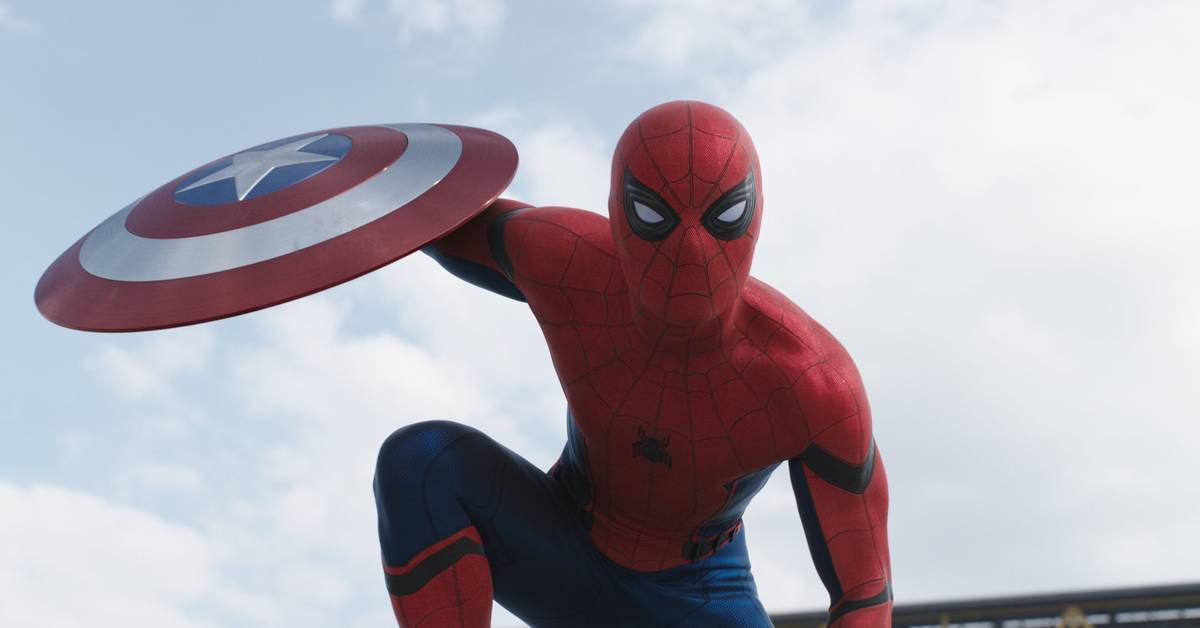
- The Russo Brothers confirmed in a new interview that MCU Peter Parker was not responsible for Uncle Ben’s death
- Joe Russo said making Holland’s Spider-Man carry that guilt would have created “a more intense interpretation of the character”
- The comments came as part of a CBR interview marking Captain America: Civil War’s 10th anniversary
- Fans have pushed back online, calling the change a fundamental misread of the character’s entire origin
- Spider-Man: Brand New Day, due July 31, 2026, may finally address Uncle Ben more directly in the MCU
Ten years after Tom Holland swung into the MCU in Captain America: Civil War, Joe Russo has confirmed something fans have long suspected — and many have long debated: in the Russo Brothers’ minds, Peter Parker had absolutely nothing to do with Uncle Ben’s death.
In a new interview with CBR marking Civil War‘s 10th anniversary, Joe Russo laid out the thinking behind one of the most quietly controversial creative decisions in the MCU’s history.
“Spider-Man was one of my favorite characters growing up, if not my favorite,” Russo said. “And what I related to was this idea of a kid with incredible responsibility, right? And I think you could manifest that responsibility through accidental death, right? And feeling the pressure, and the sense of loss in your life in a way that would keep the spirit that we wanted. [But] what Tom Holland is as an actor, if he blamed himself for his Uncle Ben’s death, I think he becomes a very different character. So in our minds, no, he wasn’t responsible for Uncle Ben’s death. That would have been a different interpretation. A more intense interpretation of the character.”
For casual Marvel moviegoers, this might not register as a big deal. But for anyone who knows Spider-Man — really knows him — it’s a significant admission. The entire bedrock of Peter Parker’s heroism isn’t just that he lost someone he loved. It’s that he could have prevented it. A thief he chose not to stop, because stopping criminals wasn’t his problem yet, ended up killing his uncle. That selfish moment of inaction is what transforms a kid with superpowers into a superhero. It’s the guilt, the lesson, the reason the phrase “with great power comes great responsibility” hits as hard as it does. Stripping that away doesn’t just simplify the origin — it changes the whole equation.
What the MCU Actually Did With Uncle Ben
To be fair to the Russos, the decision to skip Spider-Man’s origin story entirely when Holland debuted in 2016 wasn’t unreasonable on its face. Tobey Maguire had told it in 2002. Andrew Garfield told it again in 2012. Nobody needed a third radioactive spider bite. The problem isn’t that they skipped the origin — it’s what they quietly replaced it with.
Uncle Ben barely exists in the MCU. There’s a throwaway reference in Spider-Man: Homecoming when Peter tells Ned he can’t reveal his identity after “everything they’ve been through,” and a suitcase monogrammed with the initials BFP — Benjamin Franklin Parker — appears in Far From Home. That’s essentially the full extent of it. The man himself, and the weight of what his death is supposed to mean, never really lands.
Instead, the MCU transferred Peter’s defining grief to Aunt May. In Spider-Man: No Way Home, it’s Marisa Tomei’s May who dies at the hands of Willem Dafoe’s Green Goblin — and who delivers the iconic line just before she goes: “with great power, there must also come great responsibility.” It’s a genuinely moving scene. But it changes something fundamental. May dies because Peter tried to do the right thing — helping the multiversal villains rather than sending them back to face their fates. That’s an act of heroism punished, not a moment of selfishness corrected. The moral is inverted.
When the other Spider-Men in that film reference their Uncle Bens upon hearing that line, Holland’s Peter doesn’t visibly react to the name. Because why would he? In this version, Ben is a ghost — present enough to be implied, absent enough to mean nothing.
Fans Aren’t Having It
The reaction online was swift. “This is so backwards,” one user wrote on X. “Him not being responsible for his uncle’s death is the different interpretation. Him being responsible for his Uncle’s Death is the ENTIRE POINT of his origin.” Another drew a pointed comparison: “James Gunn says that Bruce Wayne’s family died in a car accident, not by being shot in Crime Alley.”
The frustration makes sense. Framing the traditional origin — the one told in virtually every comics run, animated series, and previous film adaptation — as simply “a more intense interpretation” is a strange way to describe what is, for most people, the definitive version of the character.
It’s also worth noting that this is specifically the Russos’ interpretation, built around how they saw Holland’s particular energy as an actor. It doesn’t necessarily reflect Marvel Studios’ official position, and director Jon Watts, who helmed the Homecoming trilogy, may have had a different internal read. The MCU has always been somewhat deliberately vague on the subject, leaving the door open.
The Deal That Almost Didn’t Happen
Anthony Russo also reflected in the interview on just how close the whole thing came to falling apart. Bringing Spider-Man into the MCU required a historic agreement between Disney and Sony, and the negotiations were nerve-wracking right up to the last moment.
“Not only did the idea of Civil War scare parts of Marvel, because we were turning Tony Stark, their most popular character in the MCU, into an antagonist in the film,” Anthony said. “The introducing Spider-Man within this movie was very controversial because Sony had the rights to that character.”
Joe added that the deal wasn’t locked until almost the moment cameras rolled. “If I remember correctly, Sony and Disney didn’t sign the deal officially until like a day before [Holland] was on camera, or something crazy like that. There was a reason that we couldn’t talk about it, because it still could have blown up at the last second!”
The Russos also revealed there were weeks during development when they simply stopped coming into work because the Spider-Man question was unresolved — and they couldn’t figure out how to move forward without him.
What Brand New Day Could Change
All of this lands at an interesting moment. Spider-Man: Brand New Day, directed by Destin Daniel Cretton and set for release on July 31, 2026, is shaping up to be the most consequential Spider-Man film in the MCU since No Way Home. After the events of that film — Peter’s identity erased from the world, May dead, his connection to Tony Stark severed — this version of the character is finally starting from something closer to scratch.
Whether Cretton and writers Chris McKenna and Erik Sommers choose to bring Uncle Ben into the picture more directly remains to be seen. The setup is there: a Peter Parker defined by grief and isolation, carrying the weight of choices made and losses suffered, trying to figure out what kind of hero he wants to be. That’s not so far from the kid who let a thief walk by and paid the price for it.
It took seven MCU films, but Peter Parker might finally be catching up to his own origin story.
Filed in

Comments
0