
Keanu Reeves Wrote to a Judge for His 47 Ronin Director — Even After the $11M Netflix Fraud
Keanu Reeves sent a letter to a federal judge asking for leniency for Carl Rinsch, who scammed Netflix out of $11M and faces 8-10 years in prison.
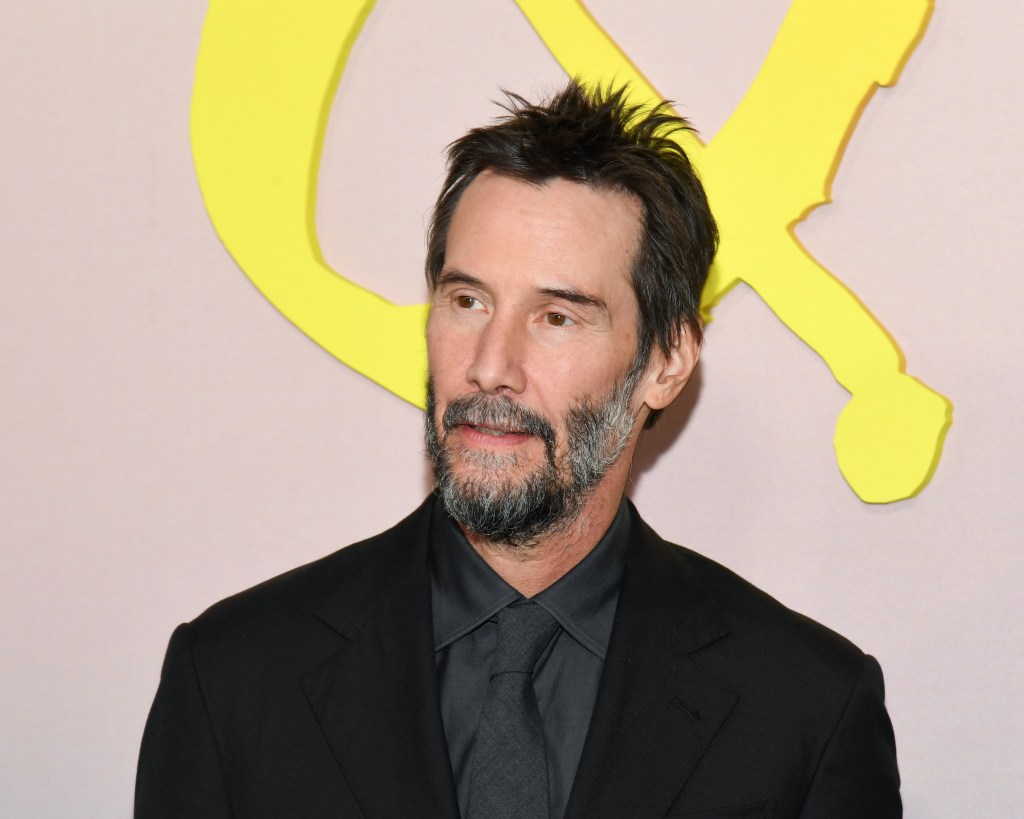
- Keanu Reeves wrote a letter to federal Judge Jed Rakoff asking for leniency in sentencing Carl Rinsch, who directed Reeves in 2013’s 47 Ronin
- Rinsch was convicted in December on charges of wire fraud, money laundering, and illegal transactions — he scammed Netflix out of $11 million meant to fund his sci-fi series White Horse, spending it on luxury cars, high-end mattresses, and crypto
- Reeves acknowledged he doesn’t know the full details of the case but called Rinsch an “exceptional artist” who tends to “self-sabotage” by pushing the limits of negotiated agreements
- Rinsch faces 8-10 years; his defense team is arguing for a lighter sentence and submitted letters from family, friends, and Reeves ahead of the June 29 sentencing
- Reeves not only starred in 47 Ronin but later became a mentor and early investor on White Horse — the very project Rinsch used to defraud Netflix
Keanu Reeves knows his 47 Ronin director defrauded Netflix out of $11 million. He’s asking a judge to go easy on him anyway.
In a letter submitted to Manhattan federal Judge Jed Rakoff as part of Carl Rinsch’s sentencing materials, Reeves wrote that he hoped the director’s sentence “might be tempered with measures of leniency and mercy as well as justice.” The letter, dated May 1, was included in Rinsch’s defense filing this week ahead of his June 29 sentencing date.
Rinsch was convicted last December on federal charges of wire fraud, money laundering, and making illegal transactions. Prosecutors said he took $11 million from Netflix — money intended to fund his sci-fi series White Horse — and spent it on luxury cars, high-end mattresses, and cryptocurrency investments. The series was never delivered. He faces 8 to 10 years in prison under sentencing guidelines; his defense team is pushing for a significantly lighter sentence.
What Reeves Said
The letter is careful but revealing. Reeves was upfront that he “does not know the details” of the case. What he offered instead was a character portrait from someone who worked with Rinsch closely — and later invested in the project that became the center of the fraud.
“Based upon what I do know about Carl, I did want to take the opportunity to write on his behalf, in the hope that his sentence might be tempered with measures of leniency and mercy as well as justice,” Reeves wrote, per Deadline.
He described Rinsch as an “exceptional artist” who tends to “self-sabotage” by pushing the boundaries of negotiated agreements. “I am, of course, not a therapist or psychologist,” Reeves added — which is the kind of qualifier that makes the character assessment more credible, not less.
The History Between Them
Reeves and Rinsch go back to 2013, when Rinsch directed the big-budget samurai fantasy 47 Ronin with Reeves in the lead role. The film had a notoriously troubled production — budget overruns, reshoots, studio friction — and underperformed at the box office. But the two maintained a relationship afterward.
When Rinsch developed White Horse, his sci-fi series for Netflix, Reeves came on not just as a supporter but as a mentor and early investor. That makes his decision to write a leniency letter something more than a favor for a former collaborator — he was personally connected to the project Rinsch is now going to prison for misusing.
Rinsch’s sentencing is scheduled for June 29 before Judge Rakoff in Manhattan federal court.
Filed in

Comments
0