
Where Is Chris Watts Now? Inside His Life in Prison Years After the Murders
Few American crime stories have gripped the public quite like the case of Christopher Watts. In August 2018, the Colorado father confessed to murdering his pregnant wife, Shanann, and their two young daughters, Bella and Celeste, in a crime that shocked the nation and became the subject of a hit Netflix documentary, countless true-crime podcasts,…
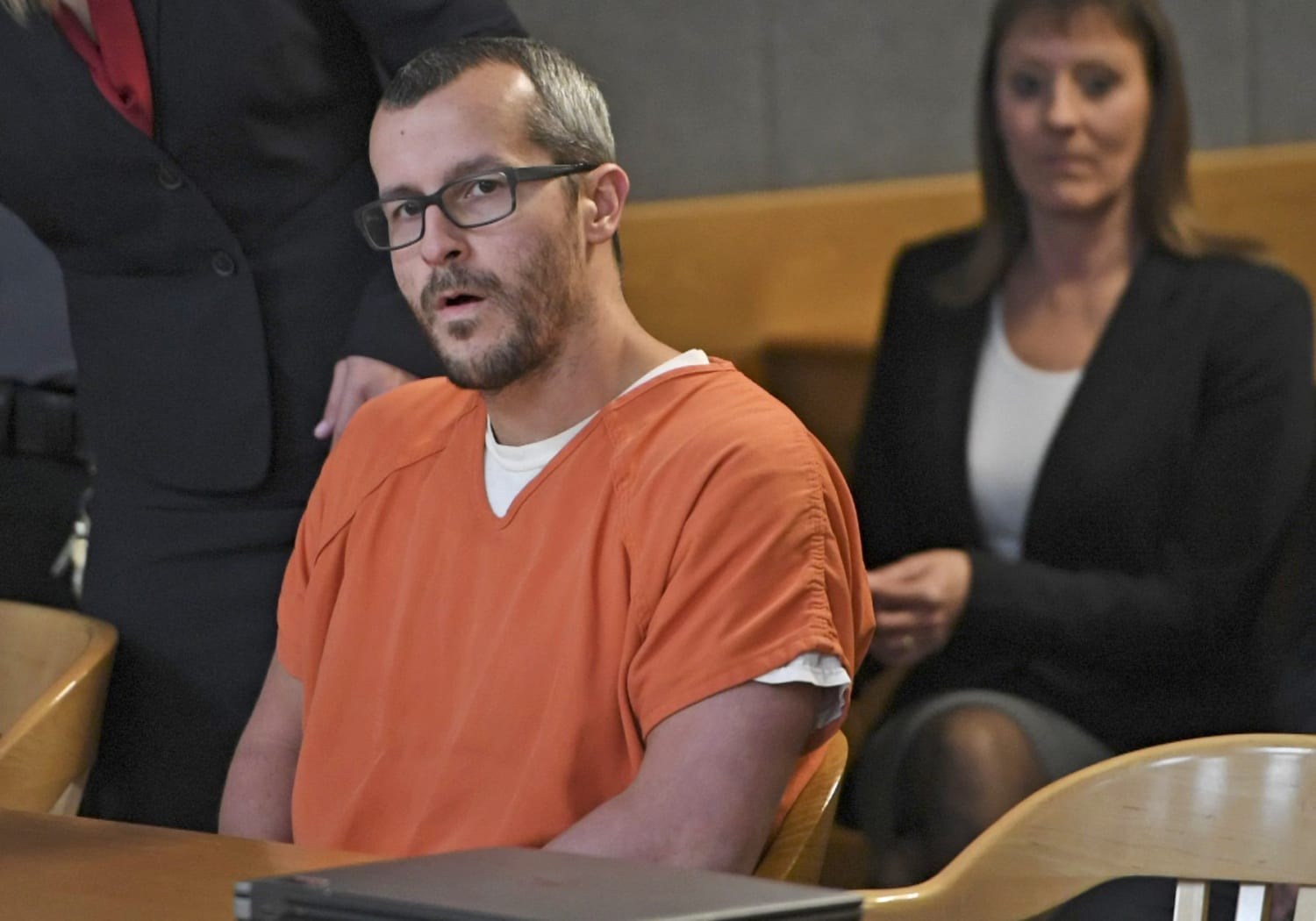
Few American crime stories have gripped the public quite like the case of Christopher Watts. In August 2018, the Colorado father confessed to murdering his pregnant wife, Shanann, and their two young daughters, Bella and Celeste, in a crime that shocked the nation and became the subject of a hit Netflix documentary, countless true-crime podcasts, and years of ongoing media coverage. Watts pleaded guilty and was sentenced to multiple life terms without the possibility of parole. But years later, one question continues to draw search traffic and headlines alike: where is Chris Watts now, and what does his day-to-day life actually look like behind bars?
This article takes a detailed look at Watts’ current whereabouts, the prison he calls home, how his daily routine unfolds, and the strange, often unsettling details that have emerged about his life as an inmate — from his newfound religious identity to his ongoing correspondence with women who write to him from the outside world.
A Quick Recap: What Chris Watts Did
Before diving into his current circumstances, it’s worth briefly revisiting the case that made his name infamous. In the early hours of August 13, 2018, in the small town of Frederick, Colorado, Watts strangled his 34-year-old wife, Shanann, who was 15 weeks pregnant with their third child, a boy the couple planned to name Nico. He then suffocated their two young daughters, four-year-old Bella and three-year-old Celeste. <cite index=”4-1″>Watts buried Shanann’s body in a shallow grave near an oil-storage site and placed his daughters’ bodies inside crude-oil tanks, each with an opening only eight inches in diameter.</cite>
Watts initially told investigators and reporters that his wife and daughters had simply vanished, even appearing in televised interviews pleading for their safe return. That fabricated narrative collapsed within days. After his arrest, he admitted to killing Shanann, and eventually confessed to killing his daughters as well. <cite index=”4-1″>On November 6, 2018, Watts pleaded guilty to multiple counts of first-degree murder as part of a plea agreement that took the death penalty off the table, and he was sentenced to five life terms without the possibility of parole, three of which are served consecutively.</cite> The case drew such intense scrutiny partly because of the brutality of the killings, and partly because Watts had been carrying on an affair with a coworker at the time.
Where Chris Watts Is Incarcerated Today
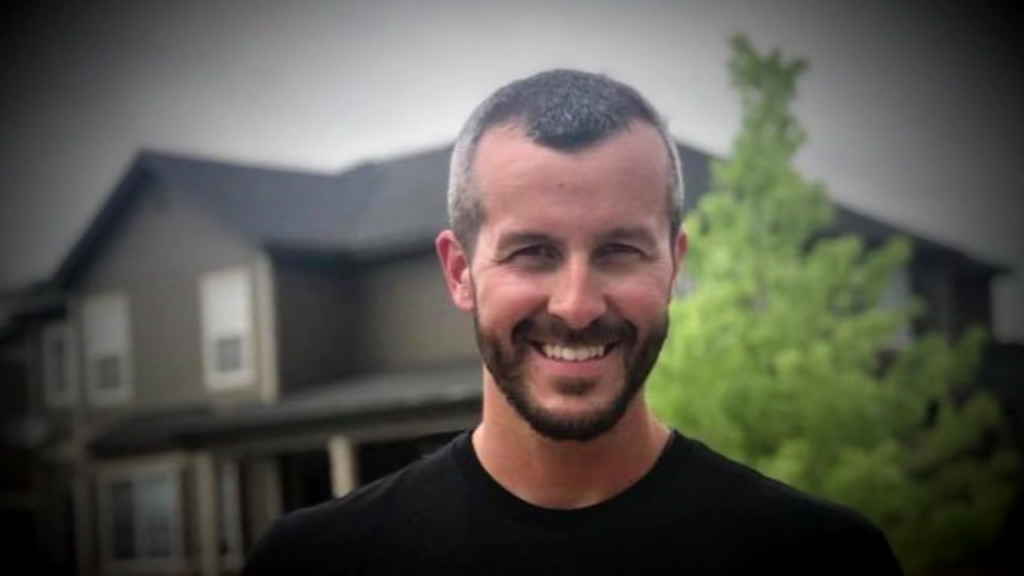
Chris Watts is not serving his sentence in Colorado, where his crimes took place and where he was originally convicted. Instead, <cite index=”4-1″>on December 3, 2018, Watts was transferred out of state due to security concerns, arriving two days later at Dodge Correctional Institution, a maximum-security prison in Waupun, Wisconsin, where he remains today.
The transfer wasn’t unusual for a case of this notoriety. Under a legal mechanism known as the Interstate Corrections Compact, states can move high-profile or high-risk inmates to another state’s prison system when housing them locally poses a security threat. Colorado officials determined that Watts’ fame — or infamy — made him a serious target for violence from other inmates, so he was relocated under this compact, with Colorado covering the costs associated with the transfer.
Dodge Correctional Institution has a notable history of its own. The facility was once a state psychiatric hospital known as the Central State Hospital for the Criminally Insane before it was converted into a prison. Over the years it has housed other high-profile inmates, including serial killer Ed Gein and Jake Patterson, the man convicted of kidnapping Jayme Closs and murdering her parents. A spokesperson for the Wisconsin Department of Corrections has confirmed to People magazine that Watts has been incarcerated there continuously since his 2018 transfer.
What Watts’ Daily Routine Looks Like
Life inside a maximum-security prison is, by design, tightly structured and largely uneventful — and by most accounts, Watts’ daily existence fits that mold. According to reporting from People magazine, which cited a Wisconsin Department of Corrections spokesperson, Watts is held in general population rather than isolation, and he is permitted to exercise once or twice a day on weekdays, depending on the schedule.
Watts reportedly works as a custodian within the prison, a job that gives him a structured routine and, presumably, a small amount of income to spend at the commissary. Sources have described him as keeping largely to himself, avoiding eye contact with other inmates, and generally staying out of the way of the broader prison population — likely a survival strategy given his status as a convicted child-killer, a label that tends to make inmates targets even within a prison environment. As one outlet summarized, fellow prisoners reportedly view him with particular contempt because of the nature of his crimes.
Physically, Watts has changed noticeably since his arrest. Multiple reports note that he has gained weight and lost much of his hair since entering custody, a common transformation for long-term inmates whose diets and routines shift dramatically compared to life on the outside.
Beyond his work assignment and exercise time, Watts is said to spend much of his time reading and writing letters — an activity that has become one of the more talked-about aspects of his incarceration.
Watts’ Religious Transformation
One of the most consistent threads running through coverage of Watts’ prison life is his claimed religious conversion. According to legal representatives for Shanann’s family, Watts has described himself as having become a born-again Christian while incarcerated, and he keeps a Bible in his cell. He reportedly participates in Bible study sessions offered within the prison.
In letters that have surfaced publicly, Watts has framed his post-conviction identity in explicitly religious terms. He has described himself as a changed man, invoking scripture to argue that his past actions no longer define him. Whether this transformation is genuine or a calculated attempt to reshape his public image remains a matter of intense public skepticism — particularly among true-crime audiences who point out that expressions of remorse from convicted murderers, especially those involving the deaths of children, are often viewed with suspicion by both the public and the families of victims.
Notably, Watts has reportedly gone further than simply describing personal faith — he has, according to a report citing letters exchanged with a woman identified only as Deborah, compared his own suffering to that of a religious martyr, suggesting his imprisonment is somehow part of a divine plan for his life. Statements like these have only deepened public fascination with — and often disdain for — how Watts has chosen to present himself since his conviction.
The Women Who Write to Him
Perhaps the strangest and most widely reported aspect of Watts’ incarceration is the volume of correspondence he receives from women on the outside — a phenomenon not entirely uncommon among high-profile convicted killers, but one that has drawn particular attention in his case given the nature of his crimes.
Reports dating back to 2022 describe Watts corresponding regularly with multiple women, some of whom reportedly send him letters and photographs. This kind of attention toward incarcerated men convicted of violent crimes is a well-documented, if uncomfortable, cultural phenomenon sometimes referred to in pop culture as “prison groupie” behavior. In Watts’ case, sources have suggested he has leaned into these relationships, engaging in extended correspondence with several different women simultaneously, even while framing himself as a reformed, spiritually devoted figure.
More recent reporting indicates this pattern has continued for years. Coverage from early 2026 described ongoing exchanges between Watts and a woman who said she had been writing to him since 2022, in which he discussed his religious beliefs and, at times, appeared to draw a boundary around the relationship by invoking his faith as the reason they could not be together.
This dynamic — professed religious devotion paired with an active, ongoing correspondence with multiple women — has struck many observers as difficult to reconcile, and it continues to fuel tabloid and true-crime coverage of his case years after his conviction.
Family Photos and Prison Belongings
Another detail that has occasionally made headlines involves Watts’ personal possessions in his cell. Reporting has indicated that he has kept photographs of his late wife and daughters with him in prison, a detail that proved controversial when it became public. There were reportedly attempts, including efforts connected to Shanann’s family, to have those photographs removed from his cell, but the Wisconsin Department of Corrections determined it had no legal grounds to confiscate them, since inmates are generally permitted to possess photographs unless they violate specific prohibitions, such as depicting gang symbols or nudity.
Watts has also received conduct reports during his incarceration for infractions such as unauthorized communication and possession of contraband — relatively minor violations by prison standards, but ones that indicate he has not had a spotless disciplinary record since his transfer to Wisconsin.
Continued Public Fascination
Years after the murders, public interest in the case has shown little sign of fading. A 2019 Netflix documentary reignited widespread attention to the story, introducing the case to a new generation of true-crime viewers who hadn’t followed it in real time. Sources close to the situation have suggested the documentary’s release was difficult for Watts personally, with one insider describing it as having visibly affected him.
Anniversaries of the murders continue to generate fresh media coverage each August, and outlets ranging from mainstream publications to tabloids regularly revisit the case with updates on Watts’ prison life, his correspondence, and any new developments — however minor — in his circumstances. This sustained interest reflects a broader cultural fascination with domestic-violence cases that unfold publicly, particularly ones involving children, and with the psychology of perpetrators who, like Watts, initially presented themselves to the world as devastated, cooperative victims before their guilt was exposed.
Will Chris Watts Ever Be Released?
The short answer is no. Watts is serving five consecutive and concurrent life sentences without the possibility of parole — a sentencing structure specifically designed to ensure he will never be eligible for release. Colorado abolished the death penalty in 2020, a change that came after Watts’ sentencing, but his plea agreement had already taken capital punishment off the table in exchange for his guilty plea and cooperation in revealing the locations of his family’s remains.
Barring an extraordinary and highly unlikely legal development, Chris Watts will spend the remainder of his life incarcerated at Dodge Correctional Institution or another facility within the Wisconsin or Colorado prison systems. His case stands as one of the most notorious domestic murder cases of the past decade, and his prison life — from his custodial job to his religious reinvention to his correspondence with strangers — continues to be scrutinized by a public that has never quite looked away.
Conclusion
Chris Watts’ story didn’t end with his sentencing in November 2018 — at least not in terms of public interest. Today, he remains confined at Dodge Correctional Institution in Waupun, Wisconsin, living out a tightly regimented existence as a custodian and general-population inmate, marked by a claimed religious conversion, a steady stream of letters from women outside prison walls, and the quiet, permanent reality of a life sentence with no path to freedom. For the family and friends of Shanann, Bella, and Celeste, his continued incarceration offers a measure of justice, even as the broader public continues to revisit the case, searching for answers to a tragedy that remains as haunting today as it was when it first made headlines.
Filed in

Comments
0