
Tatum O’Neal’s Son Writes Raw Mother’s Day Letter About Her Addiction
Kevin McEnroe’s emotional ‘Dear Tatum’ essay reflects on his mother’s decades-long addiction struggles, a near-fatal stroke, and his own path to forgiveness.
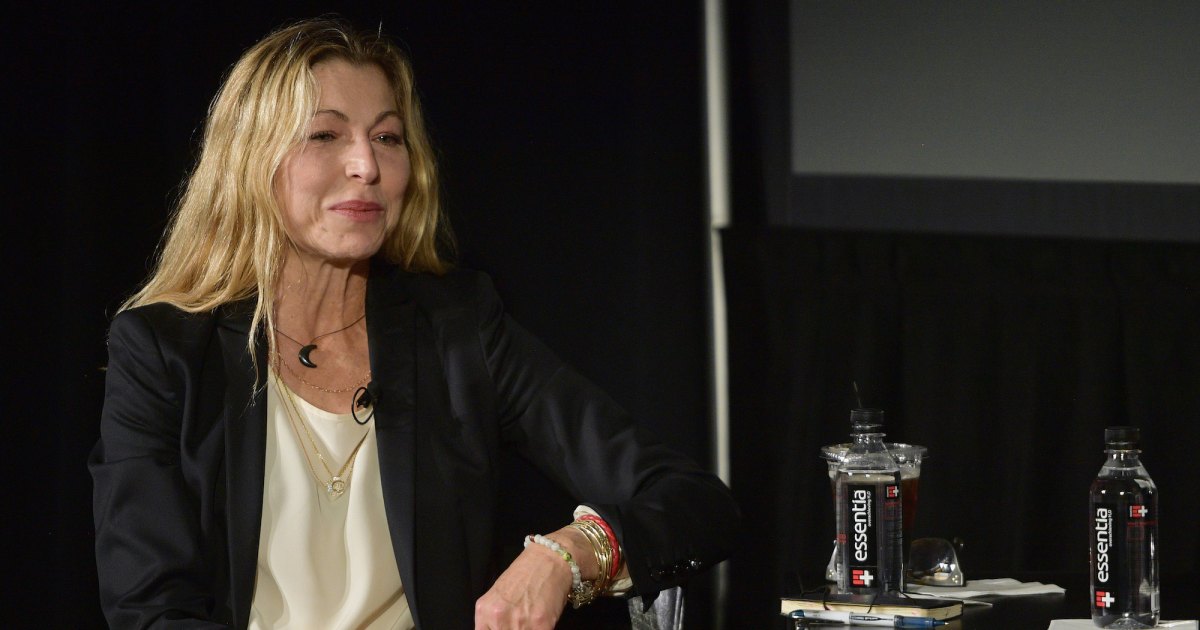
- Kevin McEnroe, 39, published an open letter to his mother Tatum O’Neal ahead of Mother’s Day 2025
- The essay, titled “Dear Tatum,” details O’Neal’s decades of addiction, a near-fatal 2020 stroke caused by an overdose, and a relapse in November 2024
- Kevin — who has battled alcoholism himself — writes that he now calls her “Mama” and is proud she’s finally “really trying”
- O’Neal shares Kevin, Sean, and Emily with ex-husband John McEnroe, who gained primary custody during her addiction struggles
- The letter ends with Kevin wishing his mother — now a grandmother — a Happy Mother’s Day
Kevin McEnroe has written the kind of letter most people only ever compose in their heads. Published at The Small Bow on Thursday, May 7, the essay — addressed to his mother, actress Tatum O’Neal — is a years-in-the-making reckoning with addiction, love, loss, and forgiveness. It is one of the most honest things you’ll read this Mother’s Day.
“I call you Tatum, sometimes, because you weren’t always a mom, although when you were you were at your best, and that’s why you’re still here, today,” Kevin, 39, wrote in the piece, which he shared via his website. “I call you Tatum because your name is Tatum but also because it was a reminder that maybe, sometimes, I needed more, but that doesn’t mean I’m going anywhere — I know me leaving has always made you scared.”
That distinction — between “Tatum” and “Mom” — runs through the entire essay like a thread. Kevin describes two separate identities in the woman he grew up with: the mother who loved him, and “Tatum,” the version of her that addiction claimed. “I called you Tatum, most of my life — and sometimes still do — because you liked to say we were friends,” he wrote. “I called you Tatum because you were happiest — or at least you smiled the most — when someone called you my sister. I call you Tatum because sometimes I miss my mom.”
One of His Earliest Memories Was Her Addiction
Kevin doesn’t soften the childhood he remembers. He writes that one of his earliest memories of O’Neal, 62, involved her sending him to buy cigarettes, him throwing away her drugs, and her offering him a “line” if he wanted one. He was a child.
“When I was little, you were my mom, until your boyfriend gave you heroin,” he wrote. “You were my mom when you were clean, between rehabs, but then sometimes you were Tatum, too. Tatum used to leave in the middle of the night and sometimes not come back before morning. Tatum didn’t have a choice.”
O’Neal shares Kevin with her ex-husband, tennis legend John McEnroe, 67, along with their daughter Emily, 34, and son Sean, 38. The former couple were married from 1984 to 1994, and John gained primary custody of all three kids during the years Tatum’s addiction was at its worst. Kevin’s brother Sean, he writes in the essay, had “already grieved” their mother’s loss long before her most recent health crisis.
That crisis came in 2020, when O’Neal suffered a near-fatal stroke that left her in a six-week coma. She later told PEOPLE the stroke was caused by an overdose. When she woke up, she couldn’t read, talk, or walk. Kevin writes that everyone hoped the brain damage might finally rid her of “Tatum” — but it didn’t. She started drinking again, he says, attributing it to her pain and her rheumatoid arthritis.
“I didn’t care,” he wrote — not with cruelty, but with the exhausted acceptance of someone who has made peace with things he cannot control. When she escaped from a memory care facility, he was “proud of her in a weird way,” because it meant she was “still alive.”
His Own Sobriety, and What It Cost Him
Kevin — a writer who publishes at his Substack, Serenity Side Down — is candid about his own battle with alcoholism and what it meant to navigate recovery while his mother was still using. When he was in treatment, he was told to distance himself from O’Neal. His therapists said his “low expectations” of her amounted to enabling. But Kevin understood something they didn’t: if he ignored her calls, she might die.
“I answer your calls, even though there are plenty,” he wrote. “I arrange your doctor’s appointments, even though you go just to be seen. I order your groceries, even though you’re addicted to granola. I love you even though sometimes you make it hard.”
Getting sober himself felt, paradoxically, like abandoning her. He believed sobriety meant they couldn’t be close anymore. But over time, he realized something else: “I said I wasn’t like you. Over time I realized we are exactly the same.”
“I’m so lucky that I’m like you, because I get it now,” he wrote — explaining that O’Neal used drugs because, like Kevin, she “didn’t have a choice.”
A Relapse, a Suicide Disclosure, and Then Something Changed
O’Neal suffered a relapse in November 2024. Before that, about a year and a half ago, she told Kevin she was suicidal — and drinking at the time. He considered traveling to her, but understood he couldn’t convince her to want to live. That had to come from her.
Since then, he writes, she has not consumed alcohol or drugs. And the change in her — the woman he talks to now — is something he’s still getting used to.
“I’m proud of you. I’ve never really seen you, at anything, really try. But you do today,” he wrote. “Sometimes I call you and you’re busy and you don’t have time for me. Somehow that feels less like Tatum and more like my mom.”
He also acknowledged what her sobriety has done for him personally: “I’ve realized that taking care of her might actually help me.”
Unconditional, Even When It Hurt
The essay’s most striking passage is Kevin’s meditation on unconditional love — what it means, whether it’s even real, and why he keeps showing up anyway.
“A wiser person than me once told me there’s no such thing as unconditional love. If you get punched in the face you might pull away — that’s a condition,” he wrote. “But you did that a lot, and you still can, but I’m not going anywhere. In fact I respect your fight. I’ll still help you, Tatum, because you’re my mom. I forgive you, and you forgive me, and we forgive others, because we have to.”
He told his mother she doesn’t need to prove her pain to him, and he doesn’t need to prove his love to her. “If you want, Mom, you can just believe me, and maybe if you do that you’ll believe in you, too.”
He closed by celebrating her “big” heart — and thanking her for giving him the same one. He said she taught him big love, big fear, big heartbreak, and how to wear “my heart outside my chest.”
The letter ends with Kevin wishing both his mother and “Tatum” a Happy Mother’s Day — and adding one more word: “Nana,” marking the fact that O’Neal has recently become a grandmother.
“I’m proud to be Tatum’s son,” he wrote.
If you or someone you know is struggling with substance abuse, contact the SAMHSA helpline at 1-800-662-HELP. If you need mental health support, call or text 988, or chat at 988lifeline.org, available 24/7.
Filed in

Comments
0