
Every Live-Action Gotham City, Ranked Worst to Best
From Tim Burton’s gothic masterpiece to the DCEU’s forgettable backdrop, we rank every live-action version of Gotham City Batman has ever called home.
- Seven distinct live-action versions of Gotham City have appeared across Batman films and TV since 1966
- Tim Burton’s gothic, Art Deco Gotham from 1989 tops the list as the most fully realized version of the city
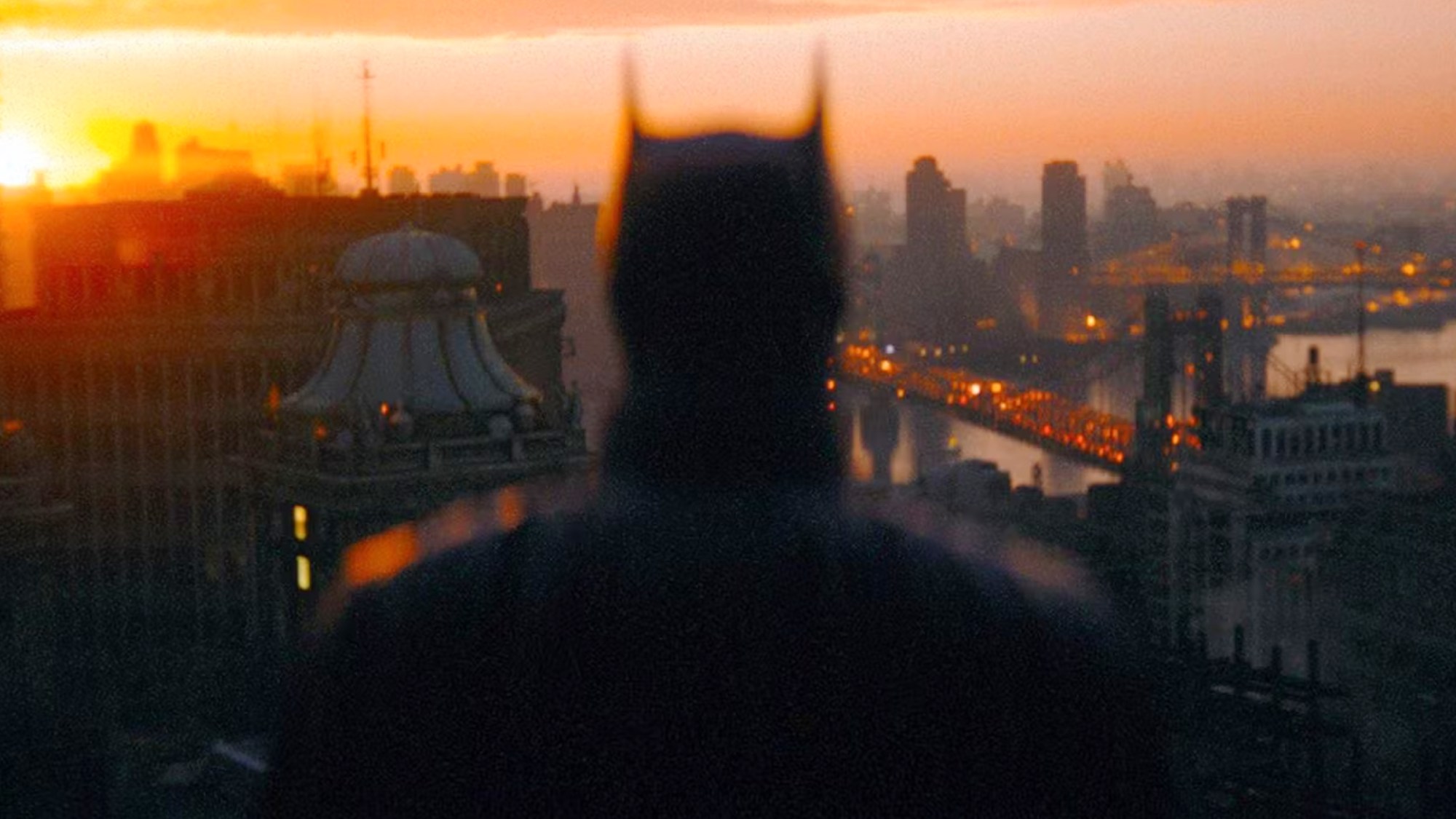
- Matt Reeves’ noir-soaked Gotham from The Batman (2022) ranks second and has serious potential to claim the top spot
- The DCEU’s Gotham — barely distinguishable from Metropolis — lands at the bottom as the least developed version
- Gotham City is considered almost as essential to Batman’s identity as the Dark Knight himself
Batman has been protecting Gotham City on screen for nearly six decades, and in that time, the city has looked completely different depending on who’s holding the camera. Some directors have treated Gotham like a character unto itself — moody, layered, alive with menace. Others have treated it like a backdrop. The difference matters more than you might think.
Because here’s the thing about Batman: his entire reason for existing is Gotham. He’s not a hero who travels the world saving strangers. He’s a man who chose one city, one mission, and has spent his life bleeding for it. Get the city wrong and something essential about Batman slips away with it. Get it right and Gotham becomes as iconic as the cowl itself.
So with Robert Pattinson’s Gotham still fresh in the cultural memory and the legacy of Burton, Nolan, and Schumacher still very much part of the conversation, here’s how every live-action version of the city stacks up — from the one that barely tried to the one that’s never been topped.
7. The DCEU’s Gotham — A City That Barely Existed
When Zack Snyder introduced Gotham City in Batman v Superman: Dawn of Justice, the hope was that it would serve as the foundation for a sprawling DC universe. What audiences actually got was a city so generic it could have been anywhere. There was almost nothing to distinguish the DCEU’s Gotham from Metropolis — the two cities sitting across a bay from each other felt interchangeable, two nondescript urban backdrops that never developed any real identity of their own.
It’s genuinely frustrating, because the bones of something interesting were there. Ben Affleck’s older, more battered Batman deserved a city that reflected his weariness — one with history written into its architecture. Instead, Gotham felt like a placeholder, a city that was promised but never delivered before the franchise moved on. As it stands, this is the least realized version of Gotham in live-action history.
6. The 1966 Campy Gotham — Charming, But Dated
Adam West’s Batman is beloved for exactly what it was — pure, gleeful camp, winking at the audience with every shark repellent and Bat-climb celebrity cameo. And the Gotham that surrounded him matched that energy completely. Bright, tame, thoroughly unthreatening. A city where the biggest danger was a villain with a punny scheme.
The problem is that Gotham, as a concept, has evolved so dramatically in the decades since that the 1966 version looks more like a sunny California suburb than the dark, gothic metropolis Batman’s world demands. That’s not entirely a criticism — the show was doing exactly what it set out to do, and it did it brilliantly. But as a vision of Gotham City, it’s the hardest to take seriously now. The campiness that made West’s era so charming is also what makes this version of the city the most difficult to defend in 2025.
5. Todd Phillips’ Gotham in Joker — Bleak, But Missing Something
The Gotham of Todd Phillips’ Joker films is a grimy, economically devastated city drowning in garbage strikes and social decay — a place where Arthur Fleck’s unraveling feels entirely plausible. Joaquin Phoenix delivered one of the most acclaimed performances in superhero film history, and the city around him does its job of grounding his story in something that feels real and ugly.
But that’s also the limitation. Phillips’ Gotham is so relentlessly bleak and so specifically tied to one character’s deterioration that it loses the dark grandeur the city is supposed to carry. Gotham should feel like a place with centuries of corruption baked into its foundations — mythic in its rot. This version feels more like a gritty ’70s New York City drama than the gothic DC city fans know. Functional for Joker’s purposes, but not quite Gotham.
4. Schumacher’s Vibrant Gotham — Underrated, Actually
Here’s a take that doesn’t get enough airtime: Joel Schumacher’s Gotham is genuinely interesting. Yes, Batman Forever and Batman & Robin have their problems — many, many problems — but the city Schumacher built around them has a twisted, neon-soaked energy that no other live-action version has attempted.
Schumacher understood, perhaps more than any other director, that Gotham needed to feel like a character with its own personality. His version is a sprawling gothic hive lit up in electric blues and greens, with a nightlife that pulses with danger. It’s excessive, sure. But it’s never boring, and it never disappears into the background. Whatever else you want to say about those films, Schumacher clearly grasped that Gotham had to stand out — that audiences needed to feel its presence every time it appeared on screen. That instinct was right, even if the execution went off the rails.
3. Christopher Nolan’s Gotham — Iconic, With One Big Caveat
For millions of people, the Gotham they picture first is Christopher Nolan’s — a vast, real-world city that feels like it could actually exist somewhere between Chicago and New York. The Dark Knight trilogy’s grounded approach to Gotham was revolutionary when it arrived, and the city’s scale and credibility gave those films much of their weight. When Gotham is in danger in The Dark Knight Rises, it feels like a real place full of real people, which raises the emotional stakes considerably.
The issue is consistency. Nolan’s Gotham shifts noticeably between films — from the murky, almost fantastical streets of Batman Begins to the sun-drenched urban realism of The Dark Knight to the snow-covered siege city of Rises. Each film’s Gotham serves its story well, but they don’t quite feel like the same city across three movies. It’s a small thing, but it keeps Nolan’s version from reaching the top tier. The trilogy is still one of the greatest achievements in superhero cinema — it just didn’t nail Gotham as a singular, consistent vision.
2. Matt Reeves’ Gotham — The Future of the City
The Batman arrived in 2022 and immediately made a case for having the most atmospheric Gotham ever put on screen. Reeves’ city is almost always night, almost always raining, lit in sickly amber and deep shadow — a noir city that feels genuinely dangerous in a way that’s more psychological than spectacle. The corruption isn’t just in the criminals; it’s in the politicians, the police, the foundations of the city itself. Gotham here is rotten from the inside out, which is exactly the kind of city that would produce someone like Robert Pattinson’s raw, wounded Batman.
The film’s production design is extraordinary — every alley, every flooded street, every crumbling building tells a story. And crucially, Reeves treats the city as something worth exploring in detail, not just passing through. If the planned sequels and spin-offs continue to build on what he’s established, this version of Gotham has every chance of claiming the top spot. For now, it sits just behind one other vision that set the standard for everything that followed.
1. Tim Burton’s Gotham — Still the Gold Standard
Thirty-five years on, Tim Burton’s Gotham remains the definitive live-action version of the city. When Burton’s Batman arrived in 1989, it did something no adaptation had done before: it made Gotham feel like a place that could only exist in a comic book, and somehow made that feel completely real. The Art Deco architecture looming over sinister alleys, the perpetual shadows, the sense that every street corner was hiding something — Burton’s Gotham had a density of atmosphere that has never quite been matched.
It’s a city that feels ancient and corrupt and alive all at once. You understand immediately why someone would put on a cape to protect it — and why it might never be fully saved. Burton’s gothic vision didn’t just influence Batman adaptations; it shaped how audiences think about superhero cities in general. Every version of Gotham that came after it has been in conversation with what he built.
That legacy isn’t going anywhere. Even as Matt Reeves builds something genuinely exciting for the next generation, Burton’s Gotham stands as proof that the city, when treated with the right mix of imagination and commitment, can be as iconic as the hero who calls it home.
Filed in

Comments
0