
The Best Horror Movies You Need to Watch Right Now
From cosmic dread to real-life nightmares, here’s your essential horror movie guide — classics, hidden gems, and the best of 2026 so far.
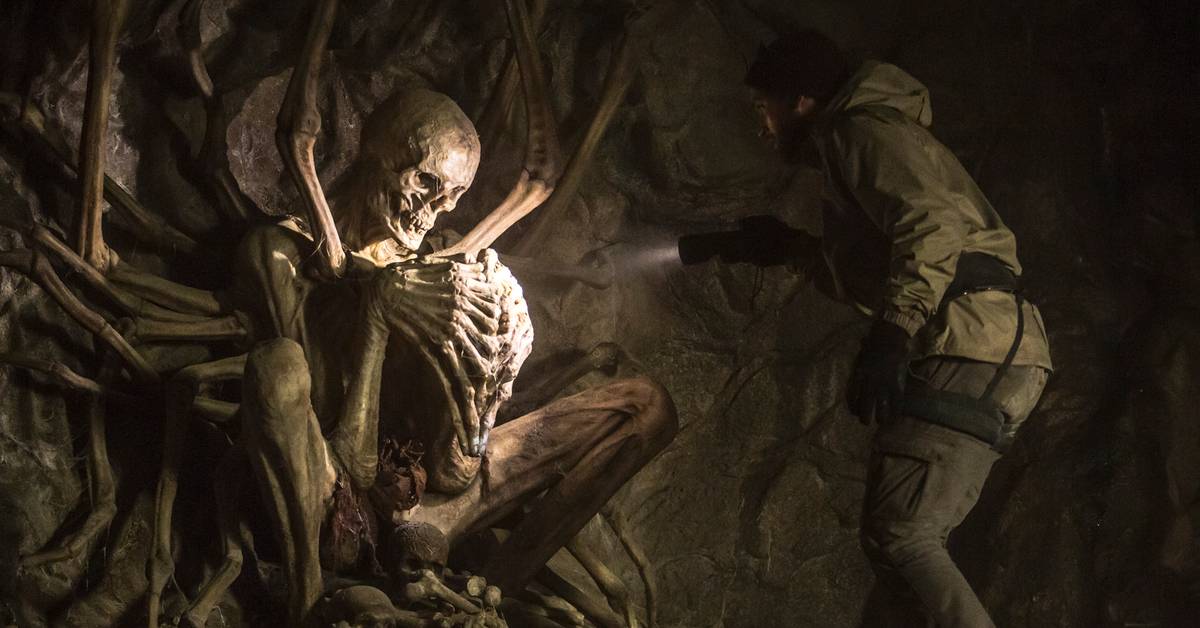
- Horror is having a major creative moment in 2026, with studios embracing experimentation over formula
- Cosmic horror — think psychological dread over gore — is emerging as one of the genre’s most compelling subgenres
- Underseen gems like The Empty Man, Event Horizon, and Resolution deserve way more attention than they’ve gotten
- Markiplier’s passion project Iron Lung shocked everyone with a $50M box office haul on a $3M budget
- Whether you’re a horror newbie or a lifelong fan, there’s never been a better time to dive in
Horror is one of the oldest storytelling traditions we have — and right now, it’s having one of its best years in recent memory. We’re nearly halfway through 2026 and the genre has already delivered films that are socially sharp, genuinely strange, sometimes funny, and deeply unsettling in ways that stick with you long after the credits roll. If you’ve been meaning to get into horror, or you’re a longtime fan looking to fill in some gaps, this is the moment.
The genre spent a good chunk of the late 2010s and early 2020s locked into one dominant mode — internal suffering, trauma as metaphor, prestige dread. That era produced some genuinely great films. But 2025 signaled a turn, and 2026 has confirmed it: horror is looser now, more playful, less interested in fitting a single trendy mold. Studios are finally catching up to what horror fans have always known — that scary movies are one of the most reliable theatrical genres there is, and the storytelling potential is basically unlimited.
The Case for Cosmic Horror
If you want to understand where horror’s most interesting ideas are living right now, start with cosmic horror. Also called Lovecraftian horror, it trades gore and jump scares for something much harder to shake: the feeling that reality is a thin shell, easily cracked, and that the universe is indifferent — or worse, actively hostile — to human existence. Done right, cosmic horror doesn’t just scare you in the moment. It follows you home.
The Empty Man is the perfect entry point. Released in 2020 during the worst possible theatrical window — peak COVID — the supernatural thriller was quietly extraordinary and almost no one saw it in theaters. Based on Cullen Bunn’s comic book series and written and directed by David Prior, the film plays on everything you think you know about cults and possession, then dismantles it. Its 20-minute opening sequence is as good as anything in recent horror, and the ending delivers a genuine existential crisis. It’s found its audience on streaming — a respectable 73% on Rotten Tomatoes and a devoted cult following — but it deserves to be talked about in the same breath as the genre’s best.
Event Horizon had an even rougher debut. The 1997 sci-fi horror film — Laurence Fishburne and Sam Neill battling a sentient, dimension-hopping spacecraft — landed in a crowded year that included Scream 2 and I Know What You Did Last Summer, and got buried. Its 36% RT score remains a crime. Paul W.S. Anderson directed from Philip Eisner’s screenplay, and the film’s dark, visceral imagery and its knack for weaponizing guilt and trauma against its characters have earned it genuine cult status over the decades. If you haven’t seen it, fix that.
Resolution, the 2012 mystery-horror from directors Justin Benson and Aaron Moorhead, takes a more meta approach — it’s essentially a film about the audience’s own hunger for a satisfying ending, using a sentient entity that traps its victims in a loop as a mirror for how demanding and hard-to-please viewers can be. Smart, unsettling, and armed with an 81% RT score and multiple festival wins, it uses photographs and video footage to deliver its horror rather than constant in-your-face violence. A single image, it turns out, can do more psychological damage than a dozen jump scares.
The Surprise Hit Nobody Saw Coming
Then there’s Iron Lung — arguably the most unexpected horror story of 2026, and not just because of what happens on screen. The film was directed, written, produced, and starred in by YouTuber Markiplier (Mark Fischbach), and it would’ve been easy to dismiss it on those credentials alone. Nobody did after opening weekend. The video game adaptation — based on David Szymanski’s indie game — follows survivors of an apocalypse searching for resources on a moon with an ocean of blood, and it grossed over $50 million against a self-financed $3 million budget.
The film leans hard into slow burn, practical effects, and 80,000 gallons of fake blood to build toward a genuinely gruesome climax. It’s claustrophobic in the best possible way. The 62% RT score undersells it — this is a movie that gets under your skin and stays there.
When Less Monster Means More Terror
One of the smartest tricks in horror’s playbook is restraint — and some of the genre’s most effective films barely show you the thing that’s supposed to be scary at all. The enemy you can’t fully see is almost always more terrifying than the one you can. Distorted glimpses, strange sounds, a character’s terrified reaction — these force the audience to fill in the blanks with whatever their imagination conjures, which is usually worse than anything a filmmaker could show. The best horror directors understand this instinctively, which is part of why films like The Blair Witch Project still work: the witch never fully appears, and that absence is the whole point.
Horror Rooted in Real Life
There’s a specific kind of dread that comes from knowing something actually happened. Horror films inspired by real events carry extra weight — the Lutz family’s experiences at the Amityville house, the Perron family haunting investigated by Ed and Lorraine Warren, the alleged 1949 exorcism of a boy known as Roland Doe that inspired The Exorcist. These stories blur the line between what we can explain and what we can’t, and filmmakers have been mining that discomfort for decades. It works because the horror isn’t just fictional — somewhere, it was real enough that people wrote it down and couldn’t stop talking about it.
Where to Start If You’re New to All This
Horror has been around since the earliest days of cinema, which means the archive is enormous and can feel genuinely overwhelming. The good news is that the genre rewards exploration — each film tends to open a door to five more. The black-and-white classics of the early sound era, the slashers of the ’70s and ’80s, the post-Scream self-awareness of the ’90s, the elevated horror wave of the 2010s, and now this current era of joyful experimentation — each cycle has its masterworks, and they’re all still there waiting.
Start with something that sounds interesting to you specifically. Cosmic dread? The Empty Man. Practical effects and claustrophobia? Iron Lung. Space-set psychological horror? Event Horizon. Real-life foundations? The Conjuring or The Exorcist. Meta-horror that makes you think? Resolution. The genre is bigger and stranger and more welcoming than its reputation sometimes suggests.
And if you want a guided tour through 2026’s best so far — including Lee Cronin’s The Mummy and the buzzy new indie Obsession from Alabama filmmaker Curry Barker — The Ringer’s The Big Picture podcast recently devoted a full episode to exactly that conversation, including a deep dive on which directors are running the genre right now.
Horror is unpredictable again. That’s the best thing that could’ve happened to it.
Filed in

Comments
0