
Warner Bros. Gets $57M From Village Roadshow in Matrix Deal
Village Roadshow pays Warner Bros. $57 million to settle the Matrix: Resurrections legal battle — and gives up its stake in the franchise entirely.
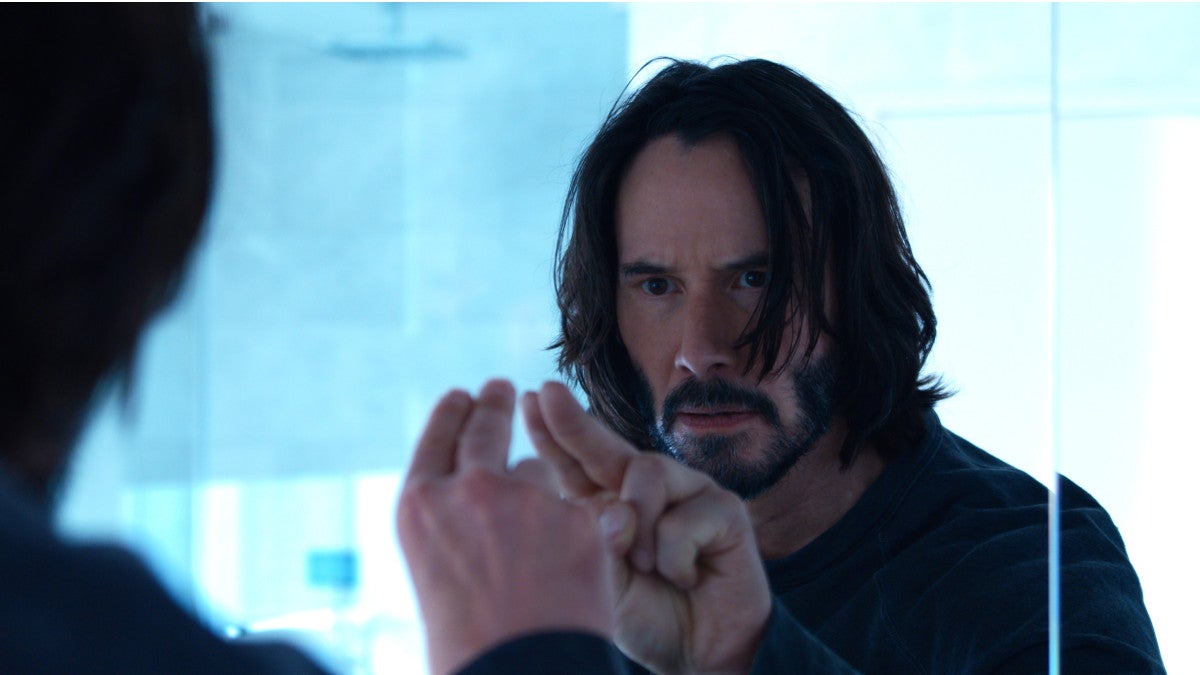
- Village Roadshow has agreed to pay Warner Bros. $57 million to settle their long-running Matrix: Resurrections legal dispute.
- The payout is reduced from a $125 million arbitration judgment after Village Roadshow filed for Chapter 11 bankruptcy.
- Warner Bros. now owns 100% of The Matrix: Resurrections — Village Roadshow walks away with zero stake.
- Alcon Media Group separately purchased Village Roadshow’s derivative rights to its catalog, including Matrix franchise sequels, for $18.5 million.
- The collapse of the VR-WB partnership was a key factor in the financier’s bankruptcy filing.
The years-long legal war between Village Roadshow and Warner Bros. over The Matrix Resurrections has finally landed on a number: $57 million. The now-bankrupt production company has agreed to pay that sum to Warner Bros. to resolve its liability in the arbitration dispute — and in doing so, surrenders every last bit of its stake in the fourth Matrix film. Warner Bros. now owns the whole thing.
The settlement, reached in bankruptcy court, closes out what became one of Hollywood’s messiest studio-financier breakups in recent memory. The payment was due by Wednesday, and sources indicate the money has already landed in Warner Bros.’ account.
How a Franchise Film Blew Up a Decades-Long Partnership
To understand how things got here, you have to go back to late 2021, when Warner Bros. made the controversial call to release Matrix Resurrections simultaneously in theaters and on HBO Max — a strategy the studio deployed across its entire 2021 slate during the tail end of the COVID-19 pandemic. Village Roadshow, which had been one of Hollywood’s most prolific behind-the-scenes co-financiers for decades — backing everything from the original Matrix trilogy to the Ocean’s franchise — was furious. In February 2022, the company sued Warner Bros. in California state court, alleging breach of contract over the day-and-date release decision.
Village Roadshow also claimed it had been deliberately frozen out of co-financing opportunities on sequels and remakes tied to franchises it shared rights to with the studio — including the Timothée Chalamet musical Wonka, Joker, and I Am Legend. One particularly pointed example from court filings: Village Roadshow wanted in on a TV adaptation of Edge of Tomorrow, but was reportedly told the project wouldn’t proceed unless it gave up its rights. The studio ultimately dropped the show entirely.
The lawsuit didn’t last long in open court. A judge moved it to arbitration, and when the ruling came down, it went decisively against Village Roadshow. The arbitrator found that Roadshow had breached the co-ownership and distribution agreements on Matrix Resurrections — and had failed to pay its $107 million share of the co-financing deal. Village Roadshow also lost on its own claims against Warner Bros. for unfair competition, breach of contract, and breach of implied covenant of good faith and fair dealing. The studio walked away with a judgment of over $107 million in damages plus $17 million in interest, totaling more than $125 million.
That ruling didn’t just end the dispute — it helped end Village Roadshow as a going concern. The company’s chief restructuring officer, Keith Maib, later wrote in court documents that the 2022 lawsuit had “irreparably decimated the working relationship” with Warner Bros. Combined with a costly and failed attempt to build an in-house content division and the poor box office performance of Resurrections itself, Village Roadshow filed for Chapter 11 bankruptcy protection in 2025.
The $125 Million Judgment Gets a Haircut
Once bankruptcy proceedings began, Warner Bros. filed a claim for the full $125 million. But that number was always going to shrink — that’s the nature of bankruptcy court, where creditors negotiate against the reality of what a company can actually pay. An appeals panel had also previously found that forcing Village Roadshow to purchase a 50% stake in Matrix Resurrections — in hopes of eventually receiving half of the profits — was an overreach. You can’t make a bankrupt company buy into a film it can’t afford and may never recoup.
So the math got reconfigured. The $57 million figure represents updated accounting that reflects what Village Roadshow North America can actually deliver. On Monday, Warner Bros. attorneys moved to dismiss the case in LA Superior Court after confirming the deal — filing it “without prejudice,” which technically means the Wonka-related claims could be revived. But with the payment made, the core dispute over Matrix Resurrections is done.
Warner Bros. declined to comment. Lawyers for Village Roadshow did not respond to requests for comment.
Who Owns What Now
The settlement leaves Warner Bros. as the sole owner of The Matrix Resurrections — not a partial stake, not a revenue-share arrangement. The whole film.
As for the broader Village Roadshow catalog, that’s a different story. During the bankruptcy proceedings, Warner Bros. attempted to purchase the derivative rights to several films from the Roadshow library — the rights that allow their owner to produce sequels and remakes. The studio lost that bid to Alcon Media Group, which had already purchased the full Village Roadshow Entertainment Group film library for $417.5 million in the summer of 2025. Alcon then secured the derivative rights for $18.5 million. Warner Bros. submitted a revised counter-bid of $19.5 million, but it was rejected.
Alcon’s acquisition includes derivative rights to the broader Matrix franchise, as well as titles like the 1998 fantasy film Practical Magic — which starred Nicole Kidman and Sandra Bullock and is getting a sequel distributed by Warner Bros. this September. Alcon co-CEOs Andrew Kosove and Broderick Johnson said the company looks “forward to working collaboratively with Warner Bros., as we have for over a quarter-century, to partner in the exploitation of the derivative rights to these many great films across multiple platforms.”
So the Matrix universe, despite everything, isn’t going anywhere. The IP that started it all — and the legal battle that followed — has simply changed hands and moved on. As Agent Smith put it in Resurrections: “That’s the thing about stories… they never really end, do they?”
Filed in

Comments
0