
Marilyn Monroe Would Have Turned 100 on June 1 — Here’s How Hollywood Is Marking the Centennial
Marilyn Monroe’s 100th birthday on June 1 is bringing a wave of tributes: a new biography using unheard interviews and letters, an Academy Museum exhibition featuring her iconic pink gown, documentaries, and a look at the choreographer who invented how she moved.
- Marilyn Monroe would have turned 100 on Sunday, June 1 — and the centennial has brought a full wave of retrospectives, exhibitions, and new scholarship examining what made her cultural hold so durable
- A new biography, I Wanna Be Loved by You: Marilyn Monroe: A Life in 100 Takes by Andrew Wilson, draws on previously unheard interviews and personal letters; it incorporates 2022 DNA test results that identified Charles Stanley Gifford as Monroe’s biological father, a question that had long circulated without resolution
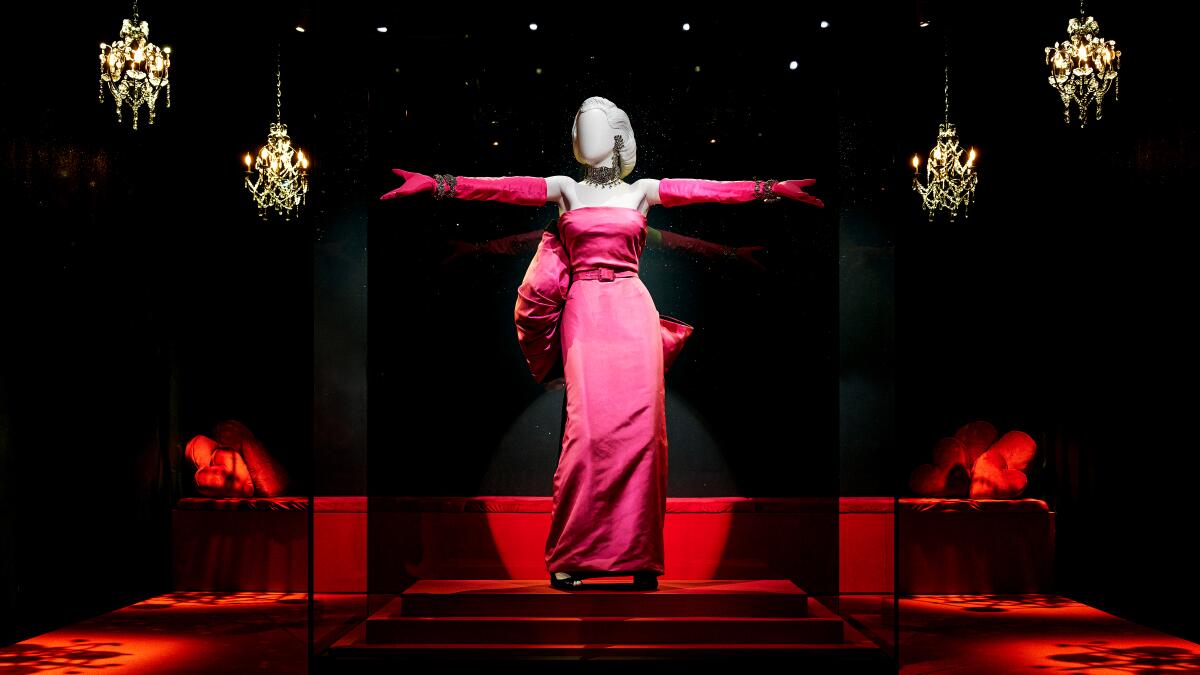
- The Academy Museum of Motion Pictures opens “Marilyn Monroe: Hollywood Icon” on Sunday, featuring the iconic hot pink William Travilla gown Monroe wore in Gentlemen Prefer Blondes among its centerpieces
- A second forthcoming book, Jazzed: Jack Cole and Twentieth-Century American Dance (out August 11), is a biography of the choreographer who designed how Monroe walked, gestured, and moved on screen — reframing her physicality as a deliberate artistic collaboration
- The centennial also includes limited-edition Andy Warhol prints, multiple new documentaries, and international retrospective screenings
She would have turned 100 on Sunday, June 1. More than 60 years after her death, Marilyn Monroe still commands enough attention that her centennial has produced a genuine cultural moment — not just nostalgia programming, but new books, new scholarship, and new scholarship asking what, exactly, it was about her that won’t let go.
The most-discussed arrival is Andrew Wilson’s I Wanna Be Loved by You: Marilyn Monroe: A Life in 100 Takes, a biography timed to the centennial that uses previously unheard interviews and personal letters to examine the private anguish behind a career that looked, from the outside, like a series of triumphs. Per Yahoo/Closer Weekly, Wilson’s book incorporates 2022 DNA test results that finally identified Charles Stanley Gifford as Monroe’s biological father — a question that had circulated for decades without official resolution. The book also draws on accounts from figures in her life including first husband Jim Dougherty and acting coach Natasha Lytess, and pulls in perspectives from Norman Rosten and director John Huston on how she was perceived by those closest to her work.
Wilson’s central argument, reflected in the title’s echo of the song Monroe made famous, is that she “wanted to be wanted” — and that the distance between that need and what celebrity could actually provide was where much of the tragedy lived.
The Pink Gown, in Person
For those who’d rather see Monroe than read about her, the Academy Museum of Motion Pictures in Los Angeles is opening its “Marilyn Monroe: Hollywood Icon” installation on Sunday. The Los Angeles Times reports the centerpiece is the hot pink silk gown designed by William Travilla that Monroe wore in Gentlemen Prefer Blondes — the dress she stands in, arms thrown wide, in one of the most replicated images in cinema history. The gown is part of a broader exhibition of costumes, photographs, and archival material.
A second book arriving later this summer reframes Monroe’s legacy from a different angle entirely. Jazzed: Jack Cole and Twentieth-Century American Dance, due August 11 from the University Press of Kentucky, is a biography of choreographer Jack Cole — the man who, working with Monroe directly, designed her walk, her gestures, and the specific physical vocabulary that made her so distinctively herself on screen. The argument the book makes is that Monroe’s physicality wasn’t simply natural magnetism; it was a built thing, a collaboration between performer and choreographer, and Cole’s role in creating what audiences responded to has largely been erased from the story.
Limited-edition Andy Warhol prints, new documentary projects, and retrospective screenings are rounding out a centennial that shows no sign of answering the basic question it keeps raising: why, of all the stars of her era, does she still feel like the one who got away.
Filed in

Comments
0