
Mark Ruffalo: Hollywood Stars Too Scared to Sign Merger Letter
Mark Ruffalo says many Hollywood artists supported his anti-merger letter but refused to sign out of fear of studio blacklisting.
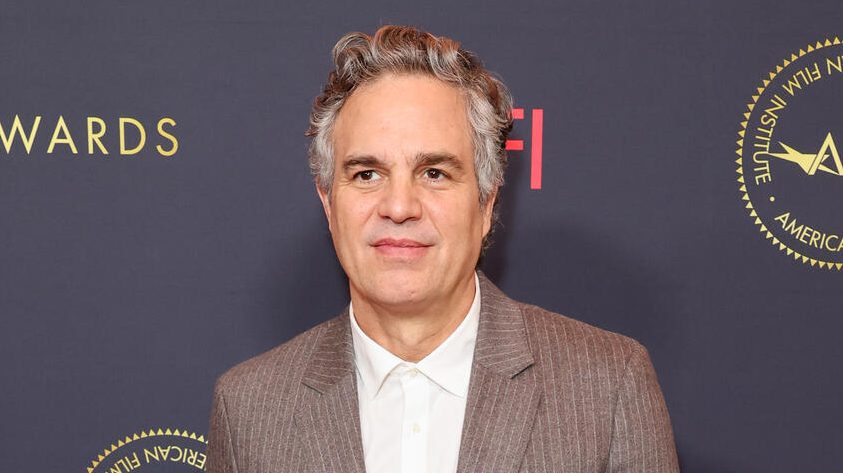
- Mark Ruffalo says many Hollywood artists supported his anti-merger letter but were too afraid of retaliation to sign it
- The open letter opposing the Paramount–Warner Bros. Discovery merger has now amassed nearly 5,000 signatures
- Ruffalo and co-author Matt Stoller cite CNN passing on a merger segment and Paramount pulling ads from The Ankler as examples of chilling effects
- Signatories include Florence Pugh, Pedro Pascal, Edward Norton, Sofia Coppola, Denis Villeneuve, and 75 Oscar winners
- The deal still awaits regulatory approval in the U.S. and Europe, and Ruffalo is urging state attorneys general to block it on antitrust grounds
Mark Ruffalo has a message for the Hollywood artists who quietly told him they agreed with everything he was fighting for — but just couldn’t put their name on it: he sees you, and he’s still fighting for you.
In a New York Times op-ed co-written with American Economic Liberties Project research director Matt Stoller, the four-time Oscar nominee revealed that the most telling thing about the open letter opposing the Paramount–Warner Bros. Discovery merger wasn’t who signed it. It was who didn’t.
“The most revealing thing about that letter wasn’t the people who signed. It was the people who didn’t. Not because they disagreed — because they were afraid,” Ruffalo and Stoller wrote. “There are many reasons to block this deal, but we now believe the most fundamental one is what we encountered when asking artists to use their voices: fear. A deep, ugly and pervasive fear of speaking out.”
The open letter, organized by the Committee for the First Amendment, the Future Film Coalition, the Writers Guild of America, and the Democracy Defenders Fund, has grown to nearly 5,000 signatories since it began circulating in April. The list includes an impressive cross-section of the industry — Florence Pugh, Pedro Pascal, and Edward Norton among the actors; Yorgos Lanthimos, Sofia Coppola, and Denis Villeneuve among the directors. Seventy-five Oscar winners have signed. And yet, according to Ruffalo, the number could have been far larger.
“We heard time and time again from artists, when asked to sign this letter, that they supported it but were afraid of retribution. Their fear is not unjustified,” he and Stoller wrote.
The Chilling Effects Are Already Here
To back that up, they pointed to two incidents that illustrate just how real the pressure is. When Rich Rushfield, editorial director and columnist at The Ankler — one of the last independent entertainment trade publications — was spotted at an event carrying a bag of “Block the Merger” buttons, Paramount reportedly pulled its advertising from the outlet. That report, first published by TheWrap, landed like a warning shot across the industry.
Then there was Ruffalo himself. He had been suggested as a guest for a CNN segment discussing the merger, only for a producer to later say the network had decided to pass. According to the op-ed, CNN’s reasoning was blunt: “It’s a delicate subject for us at CNN given Warner Bros. Discovery is our parent company, and there are legal considerations around what we can and cannot cover or say while the merger is ongoing.” A Semafor report had previously flagged the incident.
“This merger will cause many harms in Hollywood,” Ruffalo and Stoller wrote. “But one is already in effect: People are afraid to say what they think about their own industry.”
How Ruffalo and Stoller Got Here
The two first connected in 2023 on a Zoom call during the Writers Guild strike. They found common ground quickly — both believed that Hollywood’s relentless consolidation into ever-larger corporate entities was the root cause of the labor struggles playing out in real time. The argument they’ve built since then is straightforward: more studios means more competition, and more competition means riskier, more ambitious projects actually get made.
As examples, Ruffalo pointed to his own career — his Emmy-winning HBO miniseries I Know This Much Is True and the Best Picture winner Spotlight. “Competition and opportunities for brave storytelling are intrinsically related,” they wrote, “and we both knew that having lots of competitive outlets to produce art and lots of paths to distribute it helps to ensure that riskier, more controversial films and TV shows keep getting made.”
The proposed deal — Paramount Skydance’s $31-per-share offer valuing the combined entity at roughly $111 billion — would reduce the number of major U.S. film studios to just four. Netflix had previously entered the bidding war with an $82.7 billion deal signed with WBD in December, but walked away in February after Paramount’s “superior” offer emerged. The merger is still pending regulatory approval in both the U.S. and Europe.
The Plan: Go Around Federal Regulators
Ruffalo and Stoller aren’t counting on Washington to save the day. Their strategy is to go around federal antitrust enforcers — who they believe are unlikely to act under the current administration — and press state attorneys general to sue on antitrust grounds. They name-checked California AG Rob Bonta, Senator Cory Booker of New Jersey, and New York City Mayor Zohran Mamdani as elected officials who have already started speaking out, holding hearings, or launching investigations.
They also pointed to recent legal precedents as proof that this approach can work — a federal judge’s injunction blocking the Nexstar-Tegna merger, and a jury ruling against Meta and Google in a landmark social media trial over youth addiction. The message: the playbook exists. It just needs to be used.
“The oligarchs are still in charge. But they are starting to lose their grip on power,” Ruffalo and Stoller wrote. “We’ve seen what happens when monopoly-leaning companies benefit from a fear that silences dissent. But our growing coalition is demonstrating that when we don’t get stuck on the sidelines, don’t bow down to inevitability and join together to fight, we can win. And who knows? If we can defeat the oligarchs trying to seize control of our TV shows and movies, maybe we can do it elsewhere, too.”
A Paramount spokesperson did not respond to a request for comment.
Filed in

Comments
0