
Kevin Hart’s Hartbeat Hit by Layoffs and Internal Chaos
Kevin Hart’s media company Hartbeat, once valued at $650M, is facing mass layoffs, executive shakeups, stalled projects, and a lawsuit — per a new Bloomberg report.
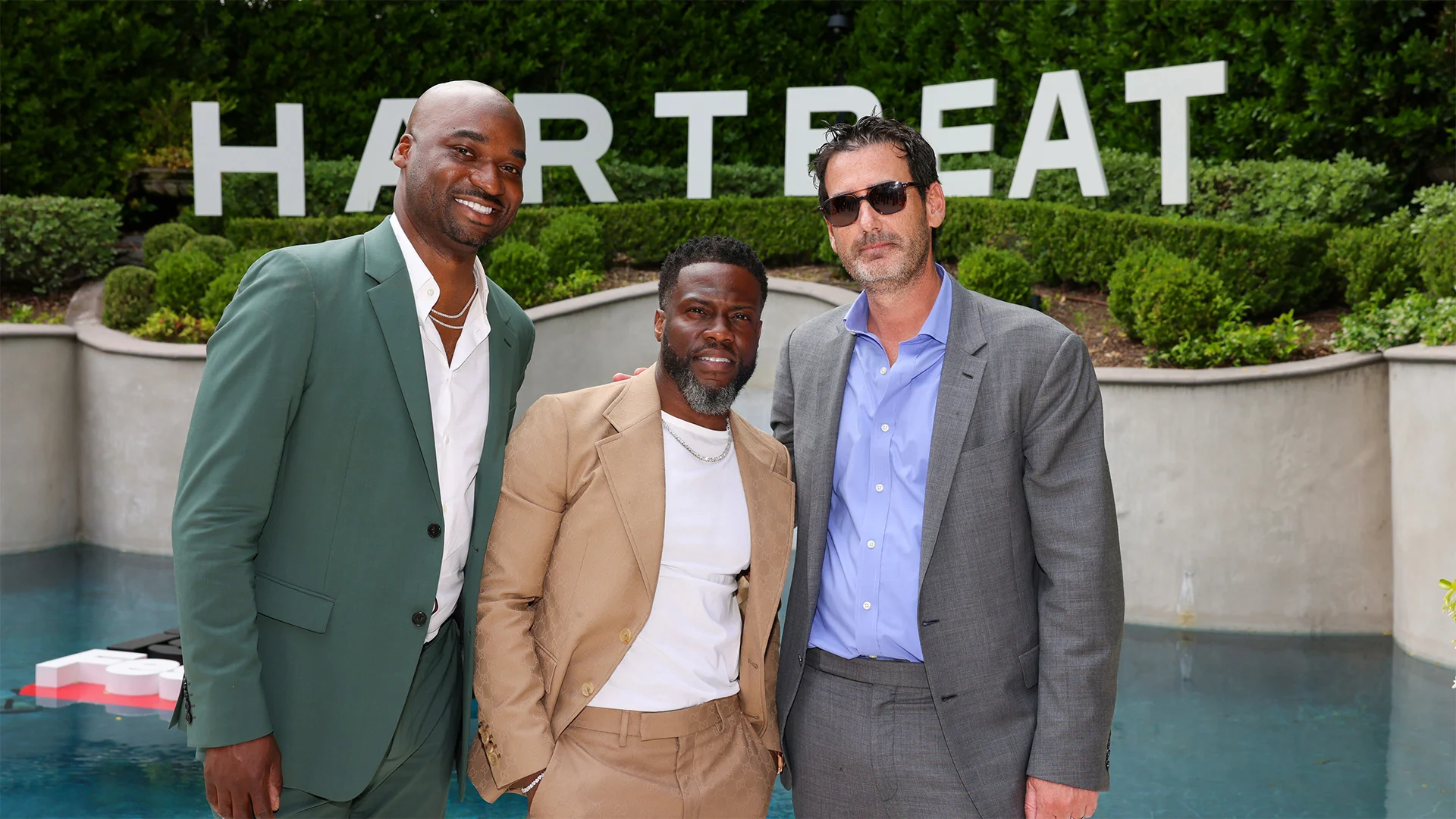
- Kevin Hart’s media company Hartbeat, once valued at $650 million, has faced repeated layoffs and executive turnover over the past year.
- In one round alone, roughly 20 of 80 employees were let go, with cuts hitting scripted TV, marketing, podcasting, and social media.
- Hart reportedly became so disengaged he changed his phone number, making him unreachable to staff and executives.
- A deal with Authentic Brands Group — the firm behind Shaq and David Beckham’s brand businesses — fueled internal fears about Hartbeat’s future.
- Two fired podcast executives sued Hartbeat for alleged breach of contract; a judge rejected part of the company’s injunction request as too vague.
Kevin Hart built Hartbeat to outlast him. Right now, according to a sweeping new report from Bloomberg, it’s struggling to survive him.
The comedian’s media company — once a buzzy, $650 million empire spanning film, television, digital content, and podcasting — has been quietly gutted over the past year, with multiple rounds of layoffs, a revolving door of executives, stalled projects, and a growing sense inside the company that Hart himself has checked out. What was supposed to be the next great comedian-led media brand has, according to current and former employees, started to feel more like a company in freefall.
How Hartbeat Got Here
Hart launched Laugh Out Loud back in 2017 as an online comedy video venture, and over the following years expanded it into a broader branded entertainment play. In 2022, he pulled all his various projects and businesses under one roof and officially launched Hartbeat, selling a 15 percent stake to private equity firm Abry Partners in a deal that valued the company at roughly $650 million. The pitch was ambitious: a global, multi-platform media company that could generate IP and content far beyond just Kevin Hart the performer.
“The focus is about the entity. Creating what we would hope will be the pieces of IP that people will hold on from this generation, and refer back to in 20 years,” Hart told Variety in 2024. “Because building a business is hard. But building a successful business is harder.”
It was the kind of quote that read like a mission statement. The reality, Bloomberg now reports, looked very different.
The Layoffs, the Stalled Projects, and the Missing CEO
As Hollywood spending cooled and the broader media landscape tightened, Hartbeat started bleeding. Projects that didn’t directly involve Hart — which was supposed to be the whole point of building a company bigger than its founder — became harder to sell. A Barbershop television adaptation for Amazon and a second season of the animated series Lil Kev were among the casualties. Planned podcasts never launched. Meetings were canceled. Development slowed.
In one round of layoffs, roughly 20 employees were cut from a workforce of about 80. More cuts followed through late 2024 and into December 2025, with lead members of the scripted division, marketing, brand partnerships, and social media all losing their jobs.
Hart had stepped back into the CEO role in January 2025, promising to steady the ship after a stretch of frequent executive turnover. But according to Bloomberg, the hands-on reset didn’t quite materialize. Instead, he largely delegated day-to-day operations to president and Chief Distribution Officer Jeff Clanagan and CFO Eric Stoneburner — and then, by multiple accounts, pulled even further back. He reportedly changed his phone number, making him difficult to reach for staff and executives alike. Meetings were deprioritized, internal momentum stalled, and a company that had been framed as a growing media hub began to feel, to those inside it, like something much smaller.
The Authentic Brands Deal and What It Signaled
Earlier this year, Hart quietly struck a deal with Authentic Brands Group — the licensing powerhouse behind the personal brands of Shaquille O’Neal, David Beckham, and others. The deal involved licensing Hart’s name and brand, and also gave him the capital to buy out his private equity partner Abry Partners.
From the outside, it looked like a strategic power move. Inside Hartbeat, according to Bloomberg, employees read it differently — as a sign that Hart’s endorsement and brand business was being moved into someone else’s hands, and that Hartbeat itself may no longer be the center of his focus. The concern wasn’t just about the deal itself. It was about what it suggested about where Hart’s attention was actually going.
The Clanagan Tensions and a Lawsuit That Got Messy
Internal tension reportedly built around Jeff Clanagan, who Bloomberg says pushed employees toward AI-driven projects and, according to staff, encouraged support for outside ventures connected to his own businesses — a dynamic that didn’t sit well with everyone in the building.
The podcast division became its own legal battleground. Two executives, Eric Eddings and Lesley Gwam, had been developing audio podcasts that didn’t involve Hart directly. When Clanagan discovered they were planning to launch their own production company on the side, they were fired. Hartbeat subsequently sued them, alleging breach of contract and theft of trade secrets. A judge later rejected part of the company’s request for an injunction, reportedly finding the claims too “vague” and “overly broad.”
TMZ reports that Hart’s camp has not responded to requests for comment on any of it.
What’s left is a company that still exists, still operates, and still carries the name of one of the most successful comedians alive — but one that looks considerably smaller than the empire it was supposed to become. Hart once said building a successful business is harder than building a business. Right now, Hartbeat is proof of that.
Filed in

Comments
0