
Mark Ruffalo Thinks He’s on a Banned List After WB Merger Fight
Mark Ruffalo says he’s ‘already on a list’ after opposing the Paramount-Warner Bros. merger, calling the Ellisons ‘vindictive motherf***ers.’
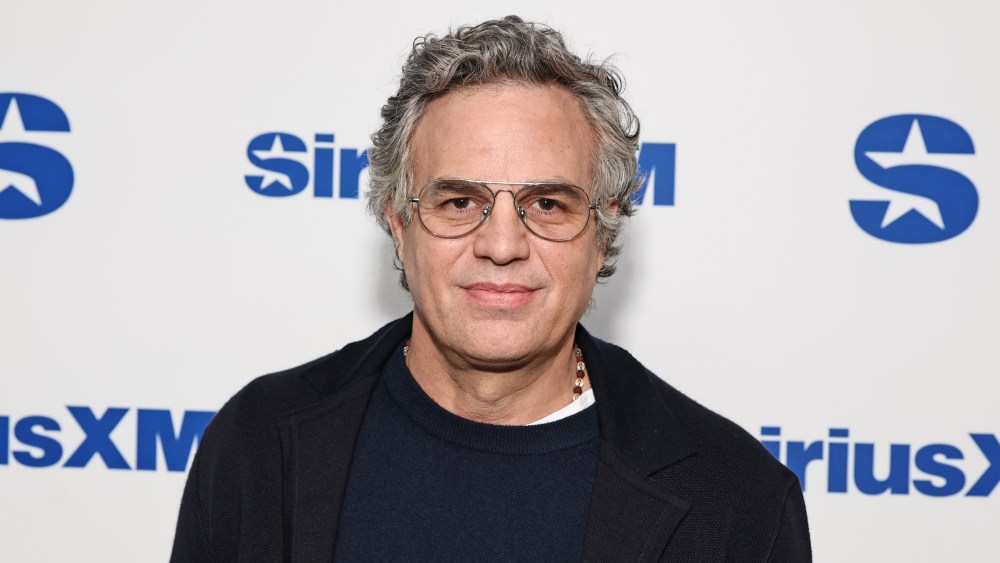
- Mark Ruffalo says he believes he’s already blacklisted by Paramount-Skydance for opposing their Warner Bros. acquisition
- The actor quoted a prominent agent calling Larry and David Ellison “vindictive motherfuckers”
- Ruffalo’s open letter against the merger has grown to nearly 5,000 signatures
- Paramount-Skydance’s deal values Warner Bros. at $110 billion, topping Netflix’s rejected $82.7 billion offer
- Ruffalo also fears the merger’s threat to journalism, citing CBS and CNN coming under Ellison control
Mark Ruffalo is under no illusions about where he stands with the Ellison family — and he’s made peace with it.
The four-time Oscar nominee appeared on the I’ve Had It podcast alongside attorney Norm Eisen this week, and he didn’t hold back when talking about the personal cost of his very public campaign against Paramount-Skydance’s acquisition of Warner Bros. Discovery. He believes he’s already persona non grata with the studio’s new power players — and he’s leaning into it.
“I’m doing this because I know we have to,” Ruffalo said. “And I know no matter what, if I don’t speak out, it’s the same outcome. I’m already on a list. I’m already not a friend of these people. And so you’re either going to fight, or you’re going to lie down. But the same outcome will be if you don’t fight, if you lay down. That’s the way it is with every bully in the world.”
He also passed along a blunt assessment from inside the industry. When talking about why so many Hollywood players were initially reluctant to sign his open letter, Ruffalo quoted a prominent agent — whose name he chose not to share — who summed up the climate in one line: “These are some vindictive motherfuckers, the Ellisons.”
Fear in Hollywood — and Why People Are Starting to Sign Anyway
That fear, Ruffalo says, was palpable when he first circulated the letter in April. A lot of people who privately agreed with him weren’t willing to put their names on it. But that’s been changing. The letter — organized by the Committee for the First Amendment, the Future Film Coalition, the Writers Guild of America, and the Democracy Defenders Fund — has grown from roughly 1,000 signatures at launch to nearly 5,000, adding about 2,000 more in just the past month.
“What we know is that courage is contagious, and there’s safety in numbers,” he said. “A lot of the people on this letter are people who either can afford to be there, like myself, or people who can’t afford to not be there. They’re fighting for their lives.”
He pointed to the Fox-Disney merger as a cautionary tale. “We lost so many jobs, we lost so many shows, so many films that were in production or in pre-production or being developed, and we know the writing’s on the wall.”
Ruffalo also called out Hollywood agencies directly, urging them to stop holding their clients back. “I really hope they start to change their tune and see the writing on the wall here,” he said. “Their clients are gonna suffer more from sitting back and letting this happen than getting out and fighting next to us, the unions too.”
A Deal That Goes Beyond Hollywood
The stakes Ruffalo is describing are significant. Paramount-Skydance, led by CEO David Ellison, is pursuing Warner Bros. Discovery with an offer valuing the deal at around $110 billion — a bid that ultimately beat out Netflix’s $82.7 billion offer, which Netflix walked away from in February after Paramount Skydance launched its hostile takeover with a “superior” $31-per-share offer.
But for Ruffalo, this isn’t just about movies and streaming. The merger would put both CBS and CNN under Ellison ownership, and he’s already alarmed by what he sees happening at CBS. He pointed to the network recently platforming Israeli Prime Minister Benjamin Netanyahu — whom he called an “accused war criminal” — as evidence of political pressure on journalism.
“He would have never been on 60 Minutes outside of this regime,” Ruffalo said. “And that’s another thing that people really understand — there’s a whole other part of this, which is the journalists are starting to sign on. We have journalists who are coming out against this.”
Beyond the podcast, Ruffalo has been escalating his campaign on multiple fronts. In May, he published an op-ed in The New York Times rallying opposition to the deal. In it, he wrote something that cuts to the heart of what he’s been saying publicly: “The most revealing thing about that letter wasn’t the people who signed. It was the people who didn’t. Not because they disagreed — because they were afraid. There are many reasons to block this deal, but we now believe the most fundamental one is what we encountered when asking artists to use their voices: fear. A deep, ugly and pervasive fear of speaking out.”
As for his own future at Paramount — or whatever the combined studio becomes — Ruffalo isn’t expecting a warm welcome. But he also doesn’t sound like someone who’s losing sleep over it.
Filed in

Comments
0